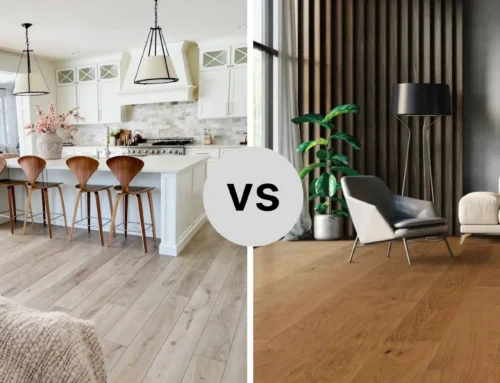
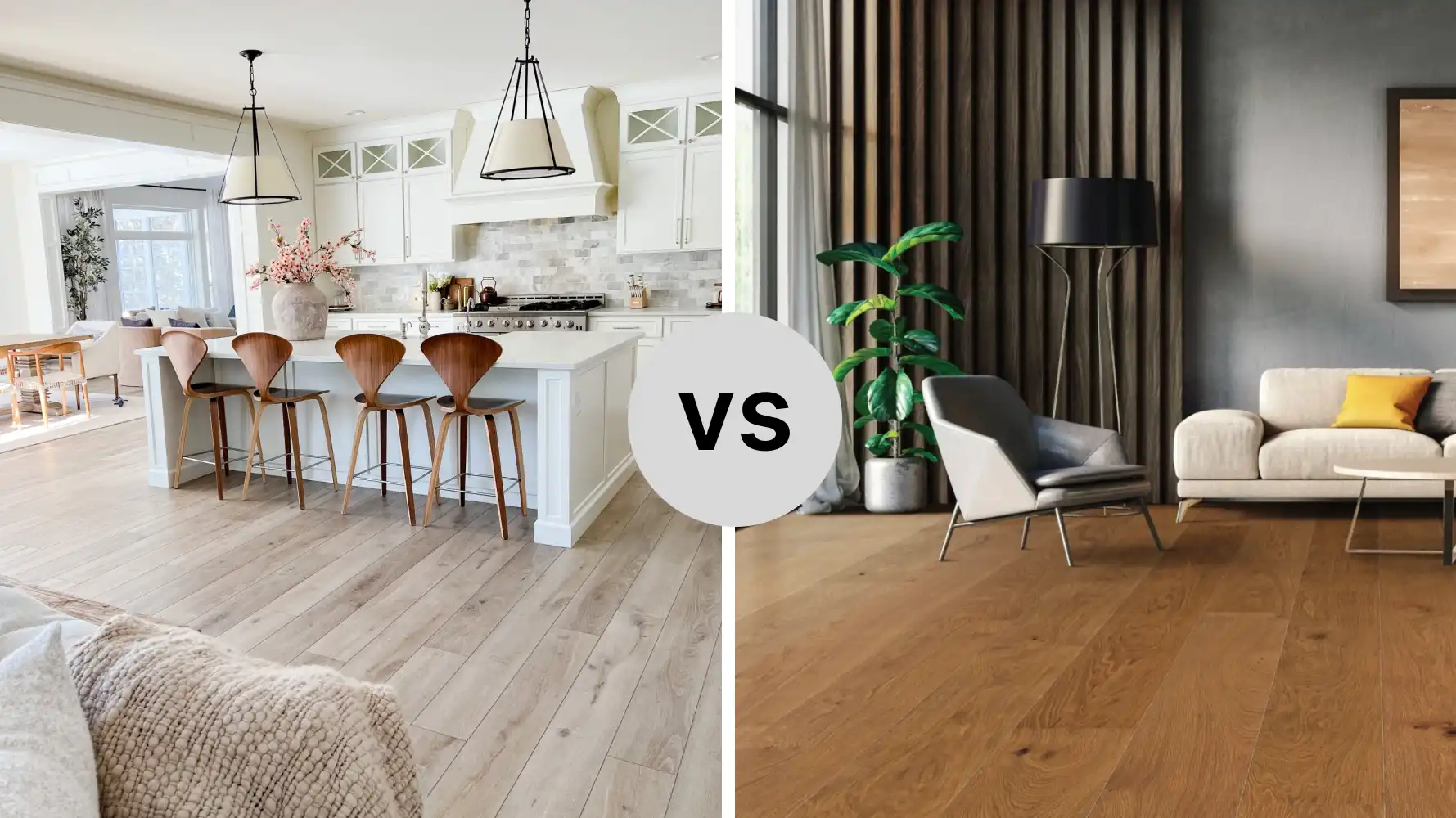
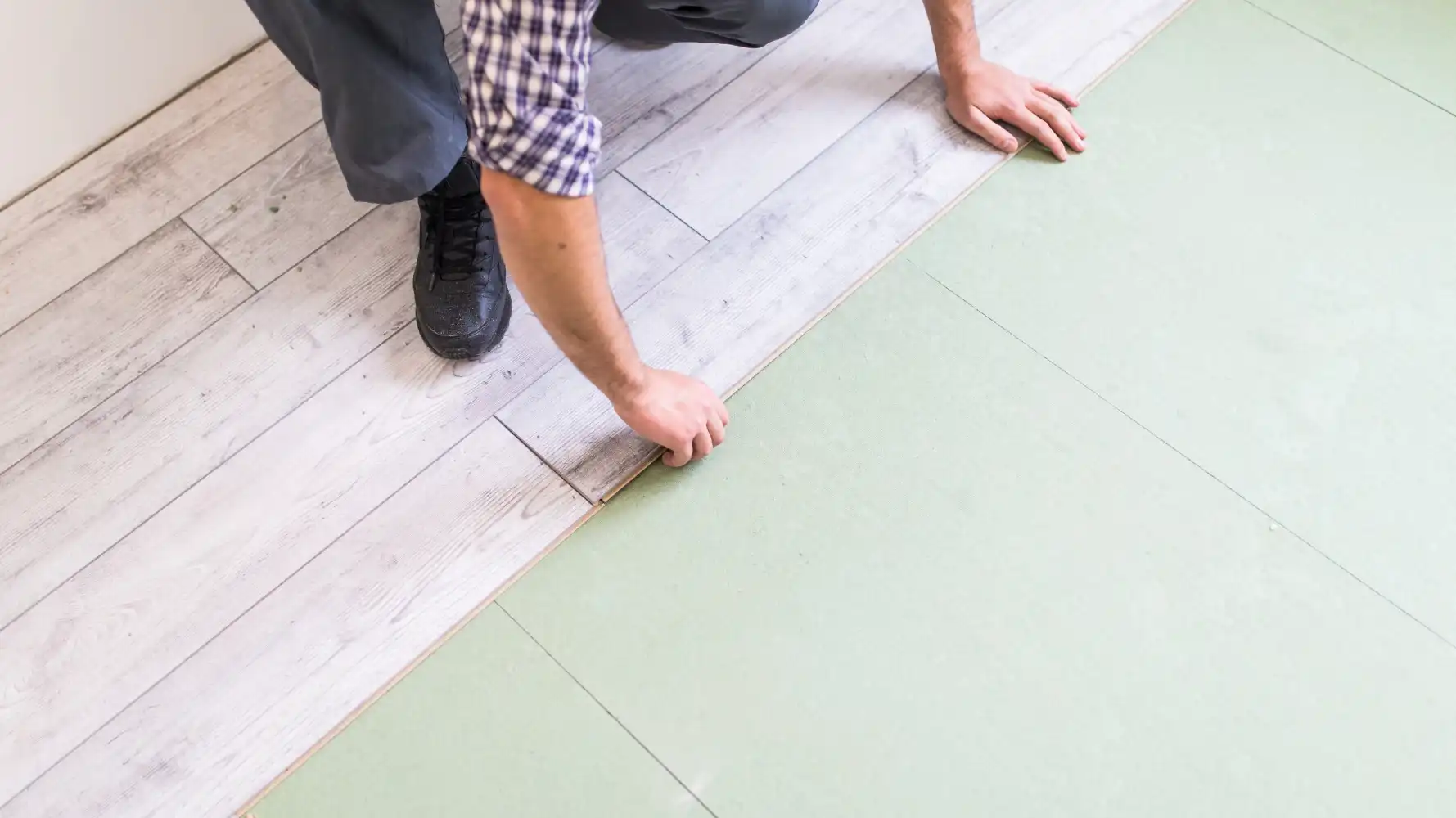
You can install gorgeous custom cabinets, a quartz waterfall island, and a tile backsplash worthy of a magazine — and still walk into a “finished” kitchen that feels unfinished. Nine times out of ten, the culprit is the floor. Flooring is the great unifier of any remodel: it’s the largest visible surface in the room, it runs underneath and between every other element, and it’s the one thing your eye reads as either “complete” or “not quite.”
Here’s why new flooring is so often the difference between a remodel that looks good and one that looks done — and how to get it right.
Flooring is the canvas everything else sits on
Every other design choice in a room — cabinet color, paint, lighting, hardware — is judged against the floor. A warm white-oak floor makes navy cabinets feel intentional; a tired, scratched floor makes brand-new cabinets look like they were dropped into the wrong house. When the floor and the finishes are chosen together, the room reads as one cohesive design. When the floor is an afterthought, it quietly undercuts everything you spent your budget on.
A remodel is the only easy time to replace it
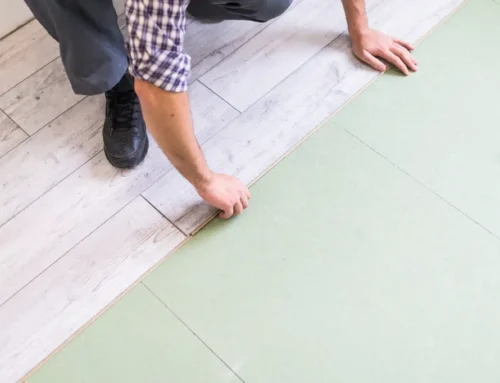
Replacing flooring in a finished room means moving furniture, pulling baseboards, and working around everything in the space. During a remodel — when the room is already torn down to the studs or cleared out — it’s dramatically cheaper and cleaner to do it right. Skipping the floor to save money mid-project is the decision homeowners regret most, because redoing it later costs more and disrupts a space they’re finally enjoying.
New flooring is one of the strongest signals of value
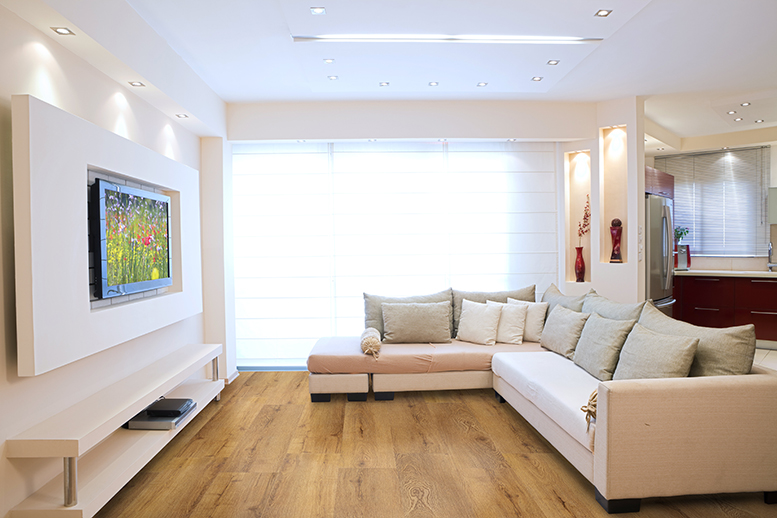
When a prospective buyer or guest walks in, fresh, consistent flooring instantly communicates that a home has been cared for and updated. Worn or mismatched floors do the opposite — no matter how new the countertops are. That’s why continuous flooring through connected spaces is one of the highest-impact moves in a remodel: it makes the home feel larger, newer, and more deliberately designed.
The finishing touch only works if the foundation is right
The catch: flooring only completes a remodel when it’s installed correctly. In our semi-arid Treasure Valley climate, that means materials acclimated to low indoor humidity, a properly prepped and leveled subfloor, the right moisture barrier, and transitions that meet cabinets and thresholds cleanly. A beautiful floor over a bad subfloor will telegraph every flaw within a year.
That’s why coordinating your flooring with your overall renovation matters. Many Boise homeowners get the best results by pairing premium materials with a contractor who manages the whole project — for example, working with Iron Crest Remodeling, a licensed Boise remodeling contractor, to coordinate kitchen, bathroom, and whole-home flooring upgrades alongside the rest of the renovation. When the people choosing the floor and the people installing it are aligned from the start, the finishing touch actually finishes the job.
The takeaway
A remodel is the sum of its parts, but the floor is the part that ties them all together. Choose it early, choose it well, install it right, and run it consistently through your space. Do that, and the floor stops being the thing you notice — and becomes the reason the whole room finally feels complete.
Author Profile
- I have worked in hardwood flooring for the last 8 years. Use to run a company of residential crews as well as a company with gym flooring. If you need floor installation or refinishing help, I should have an answer or at least get you in the right direction.