Laminate and solid hardwood both cover your floors with a wood look, but they couldn’t be more different underneath. One is a synthetic product built for affordability. The other is real wood, built for longevity.
Neither one is universally better. The smarter choice depends on your budget, your room, and how long you plan to stay in your home.
Laminate Vs Solid Hardwood: Key Differences at a Glance
Before diving into the details, here’s a fast snapshot of where each option stands on the factors homeowners care about most.
Quick Summary
- Cost: Laminate is significantly cheaper upfront. Hardwood costs more but holds value longer.
- Lifespan: Laminate lasts 10 to 25 years. Hardwood can last 50 to 100+ years with refinishing.
- Resale: Hardwood consistently adds more to home value. Laminate has minimal resale impact.
- Maintenance: Laminate needs less upkeep day to day. Hardwood requires more care but can be restored.
What Is Laminate Flooring?
Laminate flooring is a synthetic product made from multiple compressed layers designed to look like real wood without using any natural timber on the surface. It offers a budget-friendly wood aesthetic with strong resistance to everyday wear.
How Is Laminate Flooring Made?
Laminate planks have four main layers. The bottom is a stabilizing backing layer. Above that sits a high-density fiberboard (HDF) core that gives the plank its structure. Next comes a photographic layer printed with a realistic wood grain image. The top is a clear wear layer that protects against scratches, stains, and fading.
Core Strengths
- One of the most affordable flooring options on the market
- Highly resistant to scratches, dents, and UV fading
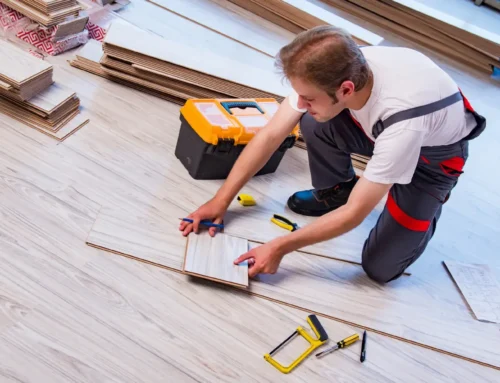
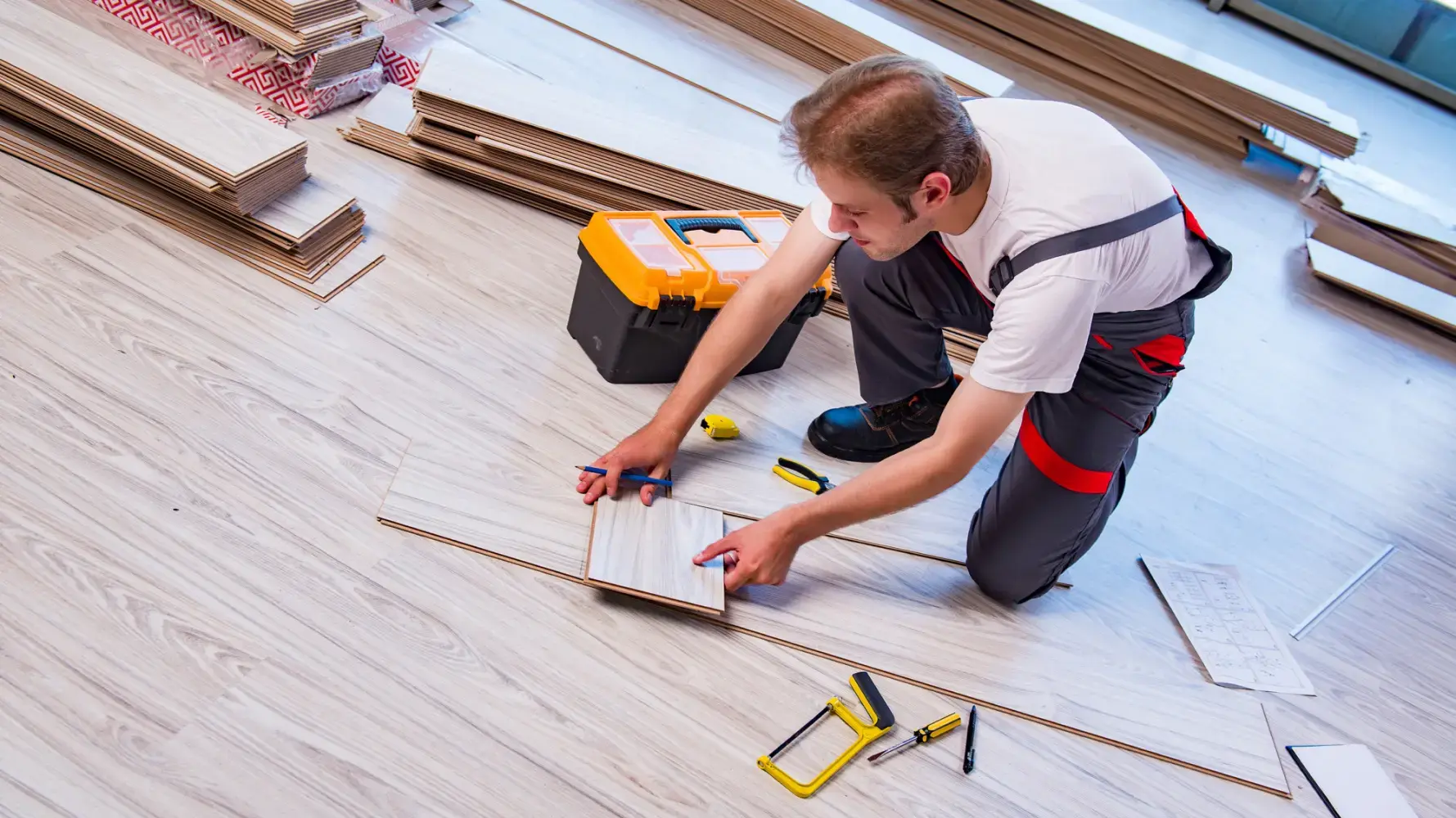
- Click-lock systems make it a popular DIY project
- Available in a wide variety of wood look patterns and colors
Limitations
- Cannot be sanded or refinished once the wear layer breaks down
- Not fully waterproof, and prolonged moisture exposure can cause swelling
- Typical lifespan of 10 to 25 years before full replacement is needed
What Is Solid Hardwood Flooring?
Solid hardwood flooring is made from a single piece of natural timber with no synthetic layers or composite materials. Each plank is real wood throughout, offering unmatched authenticity and the ability to be restored multiple times over its lifespan.
How Is Solid Hardwood Made?
Each plank is milled from one species of wood to a typical thickness of ¾ inch. Planks are cut with tongue and groove edges that lock together tightly during installation. This gives a floor made entirely of natural wood with visible grain variation in every single plank.
Core Strengths
- Timeless look with natural grain character that improves with age
- Can be sanded and refinished up to 10 times over its life
- Lifespan of 50 to 100+ years with proper care
- Consistently boosts home resale value among buyers
Limitations
- Higher upfront cost for both materials and professional installation
- Requires regular maintenance, including periodic refinishing
- Vulnerable to water damage, warping, and humidity-related movement
Head-to-Head: 7 Big Differences That Matter
These seven factors cover everything that separates laminate from solid hardwood in real-world use.
-
Cost Now Vs Over Time
Laminate wins on upfront price. Materials typically run $1 to $5 per square foot, and DIY installation keeps labor costs low. Solid hardwood ranges from $5 to $15 per square foot, with professional installation adding more. Over time, however, hardwood’s refinishing ability means you replace it far less often, making the long-term cost closer than it first appears.
-
Durability and Wear
Laminate resists scratches, dents, and fading better than most hardwood species. That makes it practical for homes with pets and heavy foot traffic. Hardwood scratches more easily, but surface damage can almost always be sanded out and refinished rather than requiring full replacement.
-
Lifespan and Refinishing
Laminate follows a replace-when-worn model. Once the wear layer degrades, the entire floor needs to come out. Hardwood can be sanded down and given a fresh finish multiple times, extending its life well beyond 50 years in many homes.
-
Water and Moisture
Laminate handles occasional spills better than hardwood, but it is still not waterproof. Prolonged moisture exposure causes the HDF core to swell and warp. Solid hardwood is more sensitive to standing water and humidity swings, making both options less than ideal for consistently wet environments.
-
Look, Feel, and Sound
Today’s laminate offers convincing wood visuals, but repeating print patterns and a hollow sound underfoot give it away up close. Solid hardwood delivers unique grain variation, a warm and solid feel, and natural acoustics that add depth and character to a room.
-
Installation and DIY Friendliness
Laminate’s floating click-lock system works over most subfloors and requires no special tools or adhesives. Solid hardwood typically needs professional nail-down or glue-down installation, along with proper acclimation time before the planks are laid.
-
Resale Value and Perception
Real hardwood floors consistently rank among the top features buyers look for. Laminate, while functional, rarely moves the needle on appraisals or buyer perception. If resale value matters to you, hardwood delivers a measurably stronger return.
Solid hardwood is an investment that pays back over time. Rustic Wood Floor Supply makes that investment easy with a curated selection of species, grades, and finishes all in one place.
Take a look and find floors worth keeping for decades!
Room-by-Room Recommendations
The best flooring often depends less on the product and more on where it’s going. Here’s how laminate and hardwood match up room by room.
High-Traffic Family Spaces
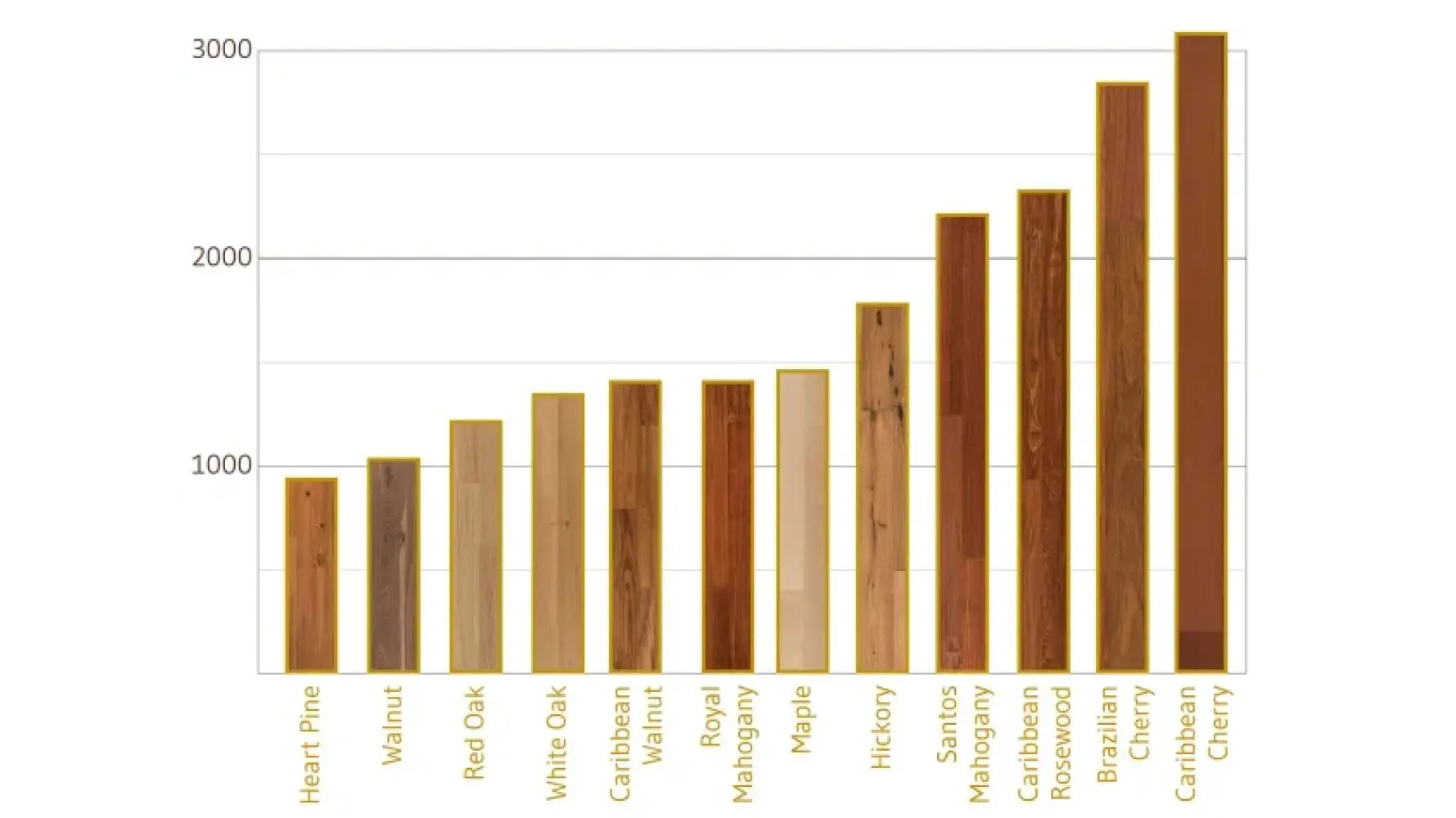
Got kids running through the hallway or dogs sliding across the living room? Laminate can take the beating without showing it. But if you prefer real wood, go with a harder species like hickory or oak and plan on refinishing every few years to keep things looking sharp.
Moisture-Prone Areas
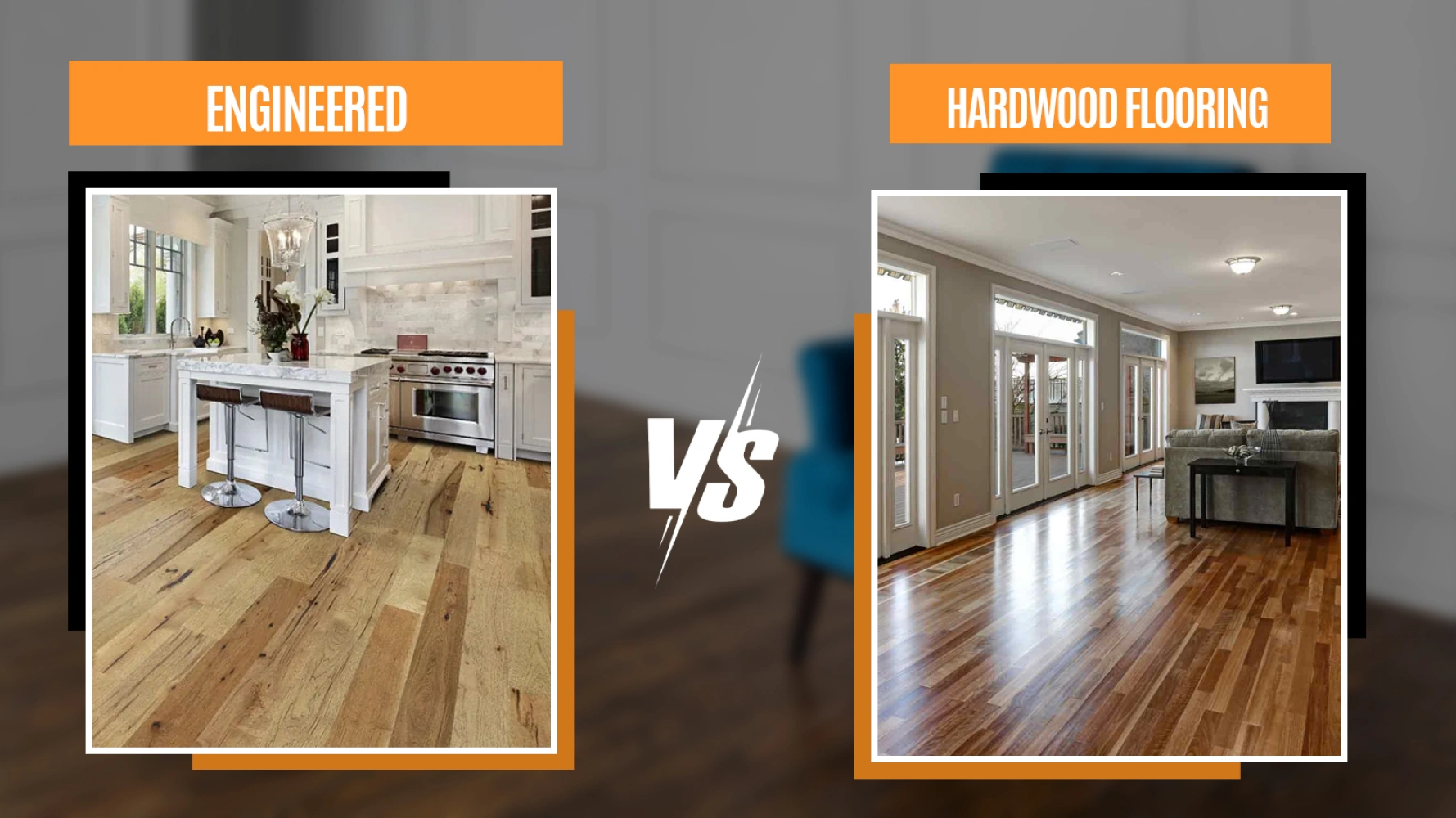
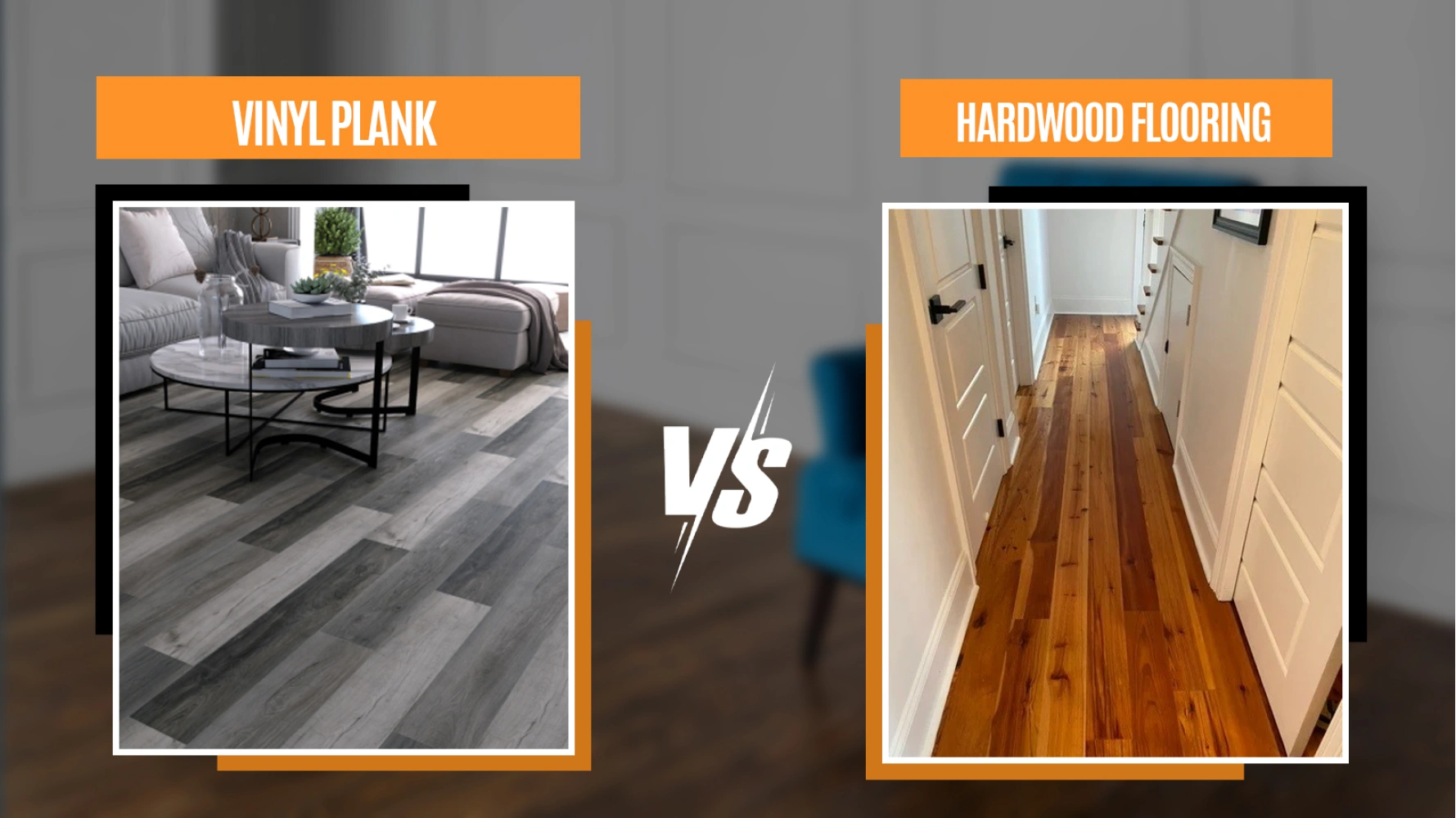
Kitchens, entryways, and basements all deal with spills or humidity. Laminate holds up better than solid hardwood around light moisture, but neither one is waterproof. If your space stays consistently damp, engineered hardwood or luxury vinyl plank is a smarter move.
High-Value Spaces
Dining rooms, primary bedrooms, and formal living areas are where your flooring makes the biggest impression. Solid hardwood brings a warmth and character that laminate simply can’t match in these rooms. It also adds real weight to your home’s resale value down the road.
Final Thoughts
Laminate and solid hardwood serve different needs at different price points. Laminate is the practical pick for budget-conscious projects, rentals, and high-traffic spaces that need scratch resistance without the upkeep. Solid hardwood is the long-term play for homeowners who want natural beauty, refinishing flexibility, and real impact on home value.
Author Profile
- I have worked in hardwood flooring for the last 8 years. Use to run a company of residential crews as well as a company with gym flooring. If you need floor installation or refinishing help, I should have an answer or at least get you in the right direction.
Latest entries
 Hardwood FlooringFebruary 27, 2026Benefits of Engineered Wood Flooring
 Hardwood FlooringFebruary 26, 2026Guide on Average Length of Hardwood Flooring
 Hardwood FlooringFebruary 24, 2026Laminate vs Solid Hardwood Flooring: Comparison Guide
 Hardwood FlooringFebruary 20, 2026Engineered Vs. Hardwood Flooring – Comparison Guide