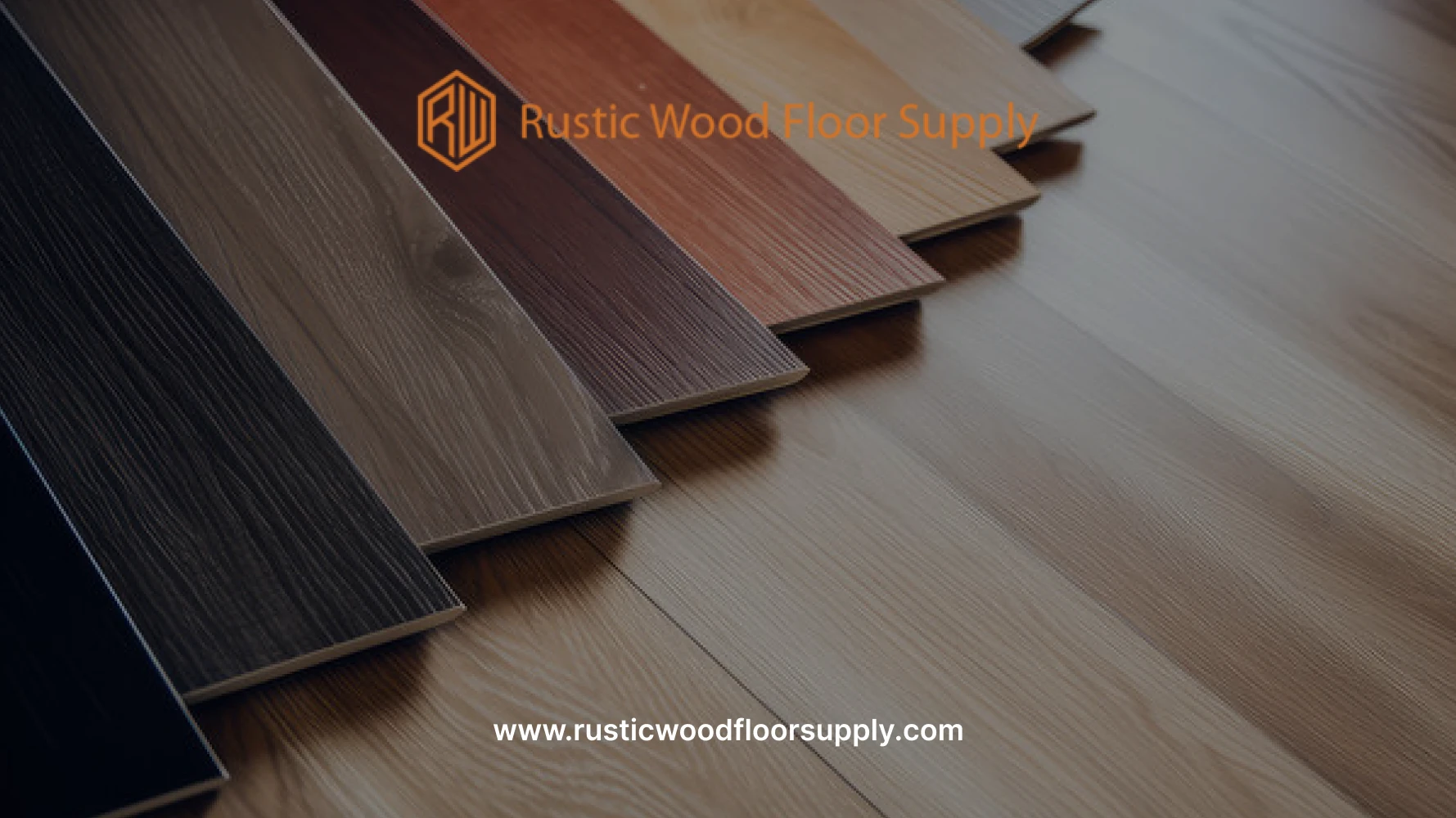
Choosing the right wood floor color depends on three things: your room’s natural light, its size, and your personal style. Light colors make small or dark rooms feel larger and brighter. Dark tones ground spacious, open-concept areas with elegance.
Warm shades like honey oak suit cozy and traditional interiors. Cool grays fit modern and minimalist homes. Once you identify your room’s conditions and your design goals, the rest becomes simple.
Top Wood Floor Colors and When to Choose Them
Every wood floor color serves a specific purpose. Understanding which shades work best in different settings helps you make a confident decision that lasts for decades.
1. Light Colors (Blonde, White Oak, Light Gray)
Light wood floors work best in small rooms, spaces with limited natural light, and homes with modern or coastal aesthetics. Shades like blonde oak, white oak, and light gray reflect light throughout the room. This makes ceilings appear higher, and spaces feel more open.
Homes without big windows or rooms that feel cramped benefit most from light flooring. These tones create an airy, fresh atmosphere instantly.
- Ideal for apartments and compact homes
- Perfect for Scandinavian and beachy interiors
- Pairs well with white or pastel walls
2. Medium Warm Tones (Honey Oak, Natural Brown, Taupe)
Medium warm tones dominate American homes for good reason. They’re forgiving. They’re timeless. They work with almost anything.
- Honey oak helps hide dirt and pet hair better than very dark floors
- Natural brown complements both modern and traditional furniture
- Taupe bridges warm and cool color schemes seamlessly
Families with kids, dogs, or heavy foot traffic consistently choose these shades. They add warmth without demanding constant upkeep. If you’re renovating multiple rooms, sourcing wholesale wood flooring in medium tones gives you flexibility across different spaces while keeping costs manageable.
3. Dark Colors (Espresso, Charcoal, Rich Walnut)
Dark wood floors suit large, well-lit spaces where you want to create drama and sophistication. Espresso, charcoal, and rich walnut tones add a formal, luxurious vibe to living rooms and master bedrooms.
These shades show dust, scratches, and pet hair more easily than lighter options. Regular maintenance is essential to keep them looking pristine.
- Best for open-concept layouts and high ceilings
- Creates a striking contrast with light-colored furniture
- Requires more frequent cleaning

4. Gray and Greige Tones
Gray and greige (gray-beige) tones remain popular for contemporary and industrial interiors. They offer a sleek, sophisticated look that pairs well with bold accent colors like navy, emerald, and mustard.
One consideration worth noting: avoid gray floors in rooms with very low natural light. They can make spaces feel cold and flat without proper illumination.
- Perfect for urban lofts and modern apartments
- Works well with metal and concrete accents
- Choose warmer grays to prevent a sterile look
If you’re looking for quality materials that match your lifestyle, Rustic Wood Floor Supply offers an extensive hardwood flooring supply with options for every design preference and budget. From timeless honey oak to contemporary gray finishes, we offer every color!
Explore Flooring Colors: (678) 691-0533
How to Match Wood Floor Color to Your Home?
Matching your floor color to your home involves more than picking a shade you like. Lighting, existing décor, and your daily lifestyle all play critical roles in the final result.
Check Lighting and Room Size
A warm honey oak can look golden at noon and amber by lamplight. That’s why testing samples in your actual room is non-negotiable.
Place samples on the floor and not propped against the wall. Check them in morning light, afternoon sun, and evening under your regular bulbs. Light-colored floors reflect natural light and visually expand small spaces. Dark floors absorb light, creating cozy intimacy in larger rooms.
Pair with Walls, Furniture, and Trim
The 60-30-10 rule makes color coordination simple:
- 60%: Your floor serves as the base
- 30%: Walls provide the secondary color
- 10%: Accents like rugs, pillows, and art complete the palette
Stick to a 2 to 3-color palette within the same color family. A natural brown floor pairs beautifully with cream walls and terracotta accents. Avoid matching floor and wall colors too closely, as slight contrast creates depth and visual interest. White trim works as a universal bridge between floors and walls, regardless of your chosen palette.
Match with Style and Lifestyle
Your design style and daily life should guide your decision. Farmhouse and rustic homes suit warm naturals with visible grain. Urban and modern spaces lean toward matte grays and sleek finishes.
Homes with kids, pets, or heavy foot traffic need durability as a priority. Medium tones and textured finishes hide wear better than smooth, dark surfaces.
- Matte finishes show fewer footprints.
- Wire-brushed textures mask scratches
- High-traffic areas benefit from medium shades
Conclusion
Selecting the right wood floor color doesn’t have to be overwhelming. Start by assessing your room’s light and size. Then match your choice to your style and lifestyle needs. Whatever direction you choose, testing samples in your actual space ensures the perfect fit.
Rustic Wood Floor Supply delivers premium wholesale wood flooring directly to homeowners, contractors, and designers nationwide. With a curated selection of today’s most in-demand wood floor colors, you’ll find floors that elevate any room.
Browse the collection today and bring your vision to life!
Frequently Asked Questions
What wood floor color makes a room look bigger?
Light wood colors like blonde, white oak, and pale gray make rooms appear larger. These shades reflect natural light, creating an airy and open atmosphere. They work especially well in small spaces, apartments, and rooms with limited windows.
Should wood floors be lighter or darker than cabinets?
Wood floors can be either, but contrast is key. Light floors pair beautifully with dark cabinets, creating visual interest. Dark floors work well with lighter cabinetry. The goal is balance, so avoid matching floor and cabinet colors too closely for a flat look.
Do dark wood floors go with gray walls?
Yes, dark wood floors complement gray walls beautifully when done right. The key is maintaining enough contrast. Espresso or walnut tones against light gray walls create an elegant, sophisticated combination that feels modern yet inviting in any living space.
What is the most timeless wood floor color?
Medium brown tones like natural oak and walnut are the most timeless choices. These classic shades work with virtually any décor style, from traditional to contemporary. They also hide well and remain stylish through changing trends, making them smart long-term investments.
Are gray wood floors going out of style?
Gray floors remain popular in 2025 but are shifting toward warmer greige tones. Pure cool grays are less dominant as homeowners embrace warmer naturals. If you love gray, choose versions with warm undertones to stay current while maintaining a contemporary aesthetic.
Author Profile
- I have worked in hardwood flooring for the last 8 years. Use to run a company of residential crews as well as a company with gym flooring. If you need floor installation or refinishing help, I should have an answer or at least get you in the right direction.
Latest entries
 FlooringMarch 21, 2026What Is Vinyl Flooring and How Is It Made?
 FlooringMarch 21, 2026How Laminate Flooring Is Made: Layers, Core, and Wear Protection
 FlooringMarch 21, 2026Laminate Flooring Vs. Hardwood Flooring: Comparison Guide
 FlooringMarch 21, 2026What Makes Vinyl Flooring Ideal For Bathrooms?