White oak hardwood flooring stands as our top choice for homes and commercial spaces. Its exceptional durability, timeless beauty, and design versatility make it the go-to option for homeowners and contractors alike.
White oak balances strength, natural character, and timeless appeal. It complements nearly any interior style and, with proper care, can last over a century. Many floors installed in the early 1900s still perform beautifully today, making white oak a long-lasting, high-value flooring investment.
What Makes White Oak Hardwood Flooring Stand Out?
White oak hardwood flooring stands out for its superior hardness rating of 1360 on the Janka scale, excellent moisture resistance, and distinctive grain patterns. These qualities make it more durable than red oak and many other popular hardwood species.
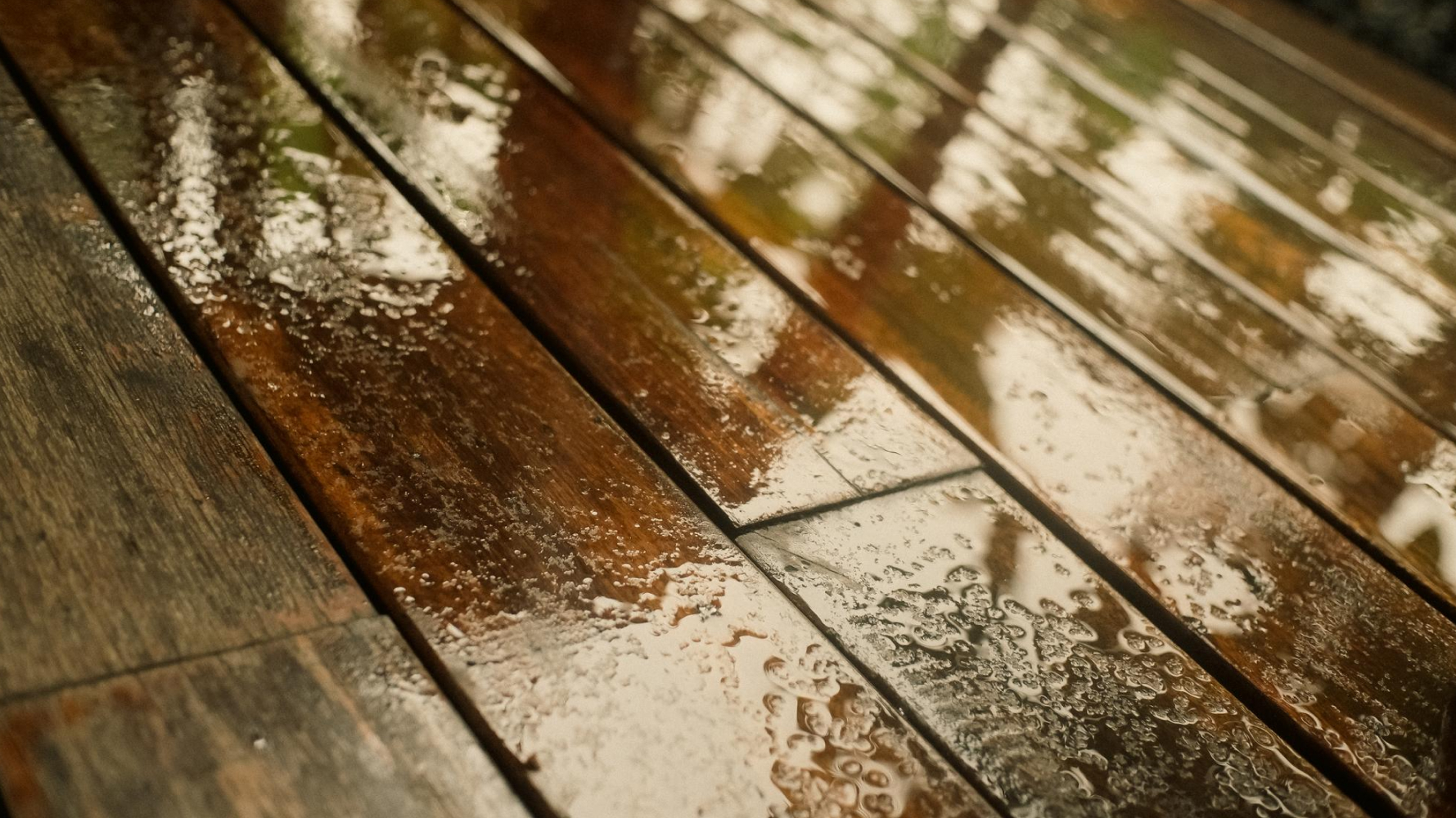
White oak’s closed grain and natural tannins increase resistance to water and decay. Its tight grain also reduces expansion and contraction from humidity compared to many other hardwoods.
Why professionals choose white oak:
- Superior hardness rating for high-traffic durability
- Excellent moisture resistance from natural tannins
- Minimal expansion and contraction with climate change
- Beautiful grain patterns ranging from straight to cathedral
- Warm, neutral tones that work with any design style
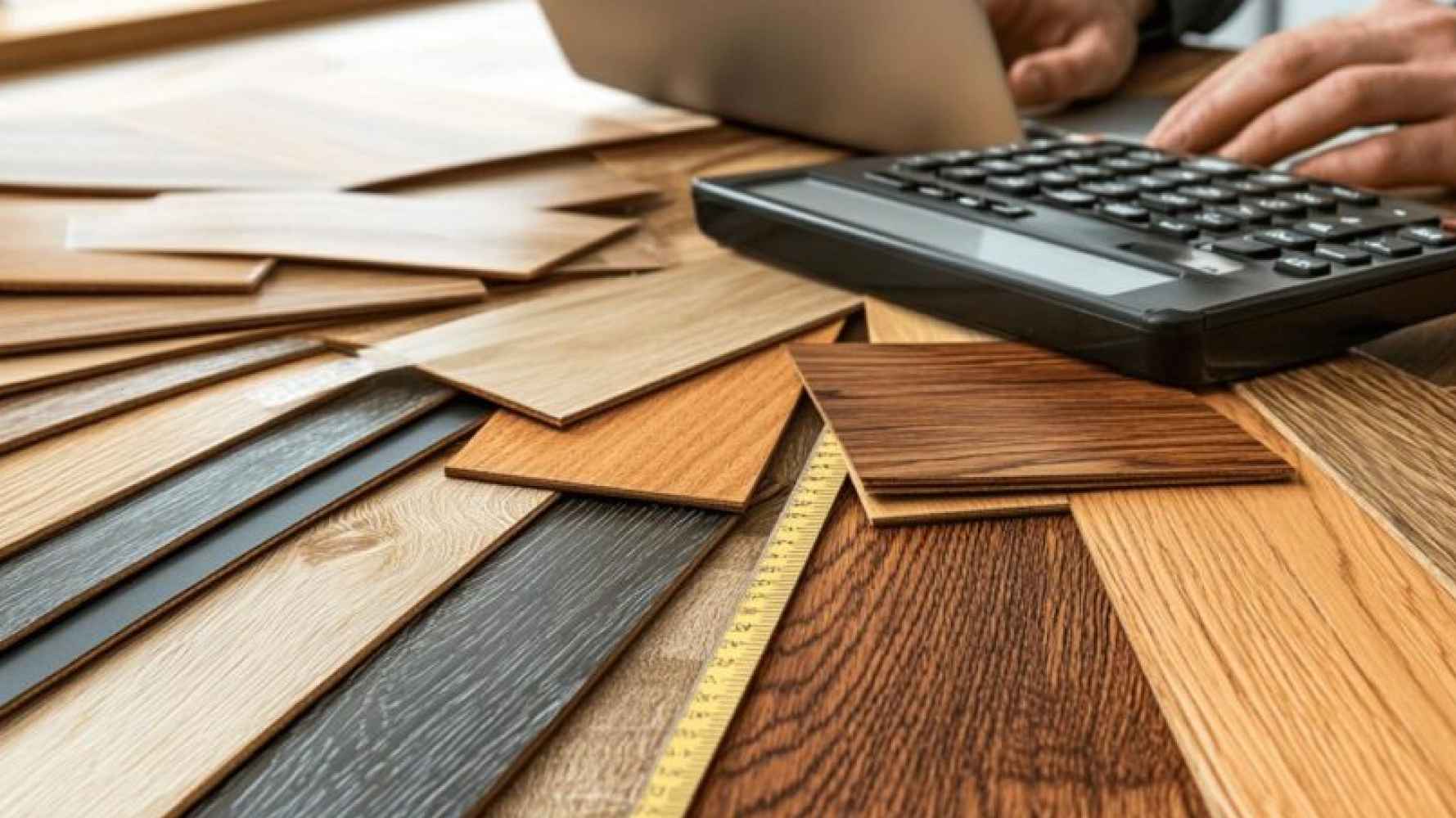
The visual appeal comes from warm, neutral tones and varied grain patterns. You’ll find everything from straight, uniform grains to dramatic cathedral patterns and unique character marks. The color ranges from light tan to medium brown, providing a beautiful canvas that accepts stains beautifully.
Solid vs. Engineered White Oak: Which One to Buy?
Both solid hardwood flooring and engineered hardwood flooring offer distinct advantages depending on your project needs. Understanding the differences helps you choose the right product for your space.
Solid White Oak: Timeless, Refinishable, and Long-Lasting
Solid white oak flooring is milled from a single piece of wood, typically three-quarters of an inch thick. This traditional flooring option can be sanded and refinished multiple times throughout its lifespan.
Each refinishing breathes new life into the floor. You can change colors or repair decades of wear, often refinishing 5 to 10 times, depending on the original thickness.
Key benefits of solid white oak:
- Refinishing Potential: Can be refinished numerous times over 100+ years
- Authentic Construction: Solid wood throughout the entire plank
- Installation Method: Ideal for nail-down over wood subfloors
- Home Value: Increases resale value significantly
- Customization: Available as unfinished hardwood flooring for custom finishing
Solid white oak works best in above-grade installations where moisture levels remain relatively stable. You’ll typically install it over plywood or OSB subfloors using cleats or staples.
Engineered White Oak: Stable, Wide Planks, and Design Flexibility
Engineered white oak features a real white oak veneer bonded to multiple layers of plywood or high-density fiberboard. The cross-layered construction dramatically reduces expansion and contraction.
Modern engineered products often feature wear layers thick enough for one or two refinishing cycles. This makes them more dimensionally stable than solid wood in challenging environments.
Advantages of engineered white oak:
- Superior Stability: Handles varying humidity conditions better than solid
- Versatile Installation: Works below grade, on-grade, or above grade
- Wide Plank Options: Available in planks up to 10 inches or more
- Installation Flexibility: Compatible with floating, glue-down, or nail-down methods
- Factory Finishes: Often prefinished hardwood flooring with durable protective coatings
Engineered white oak opens up design possibilities that solid wood cannot match. The stability allows for those stunning, wide planks that create a more contemporary, seamless look.
Which One Works Best for Different Rooms and Subfloors?
The choice between solid and engineered white oak depends on your installation location and subfloor type. Here’s a quick comparison to help you decide:
| Feature | Solid White Oak | Engineered White Oak |
| Best For | Living rooms, bedrooms, dining rooms | Kitchens, basements, over concrete |
| Subfloor | Wood subfloors only | Any subfloor type |
| Refinishing | 5-10 times | 1-2 times |
| Width Options | Up to 5 inches typically | Up to 10+ inches |
| Moisture Resistance | Moderate | Excellent |
| Installation | Nail/staple down | Glue, float, or nail down |
Choose solid white oak for living rooms, bedrooms, and dining rooms over wooden subfloors. It’s perfect when you want maximum refinishing potential and classic construction. Contractors often prefer solid oak for historical renovations and high-end residential projects.
On the other hand, engineered white oak excels in basements, over concrete slabs, and in any space with humidity fluctuations. It’s also your only option when installing radiant floor heating systems.
Pro-Tip:
If you’re working with radiant floor heating, always choose engineered white oak. The multi-layer construction handles the heat cycles without the movement issues that plague solid wood over radiant systems.

Beauty and Design Versatility of White Oak
White oak’s aesthetic flexibility makes it adaptable to virtually any interior design vision. From ultra-modern minimalist spaces to cozy rustic cottages, white oak provides the perfect foundation. Due to its appeal, white oak captured nearly 29.7% of the hardwood flooring market revenue in 2024.
Grain Patterns, Natural Color, and Character
White oak showcases diverse grain patterns that range from subtle and linear to bold and dramatic. The medullary rays create distinctive flecking that catches light beautifully.
Some planks display tight, consistent grains. Others feature sweeping cathedral patterns that create natural artwork underfoot. This variety ensures each floor is truly one of a kind.
The natural color falls in the medium-tone range with warm undertones. Fresh-cut white oak appears light tan to pale brown, developing richer honey tones as it ages. This natural patina adds warmth without turning orange like red oak.
Character variations you’ll see:
- Small knots that add rustic charm
- Mineral streaks create unique markings
- Natural color variation across planks
- Ray fleck patterns that shimmer in light
- Sapwood and heartwood color differences
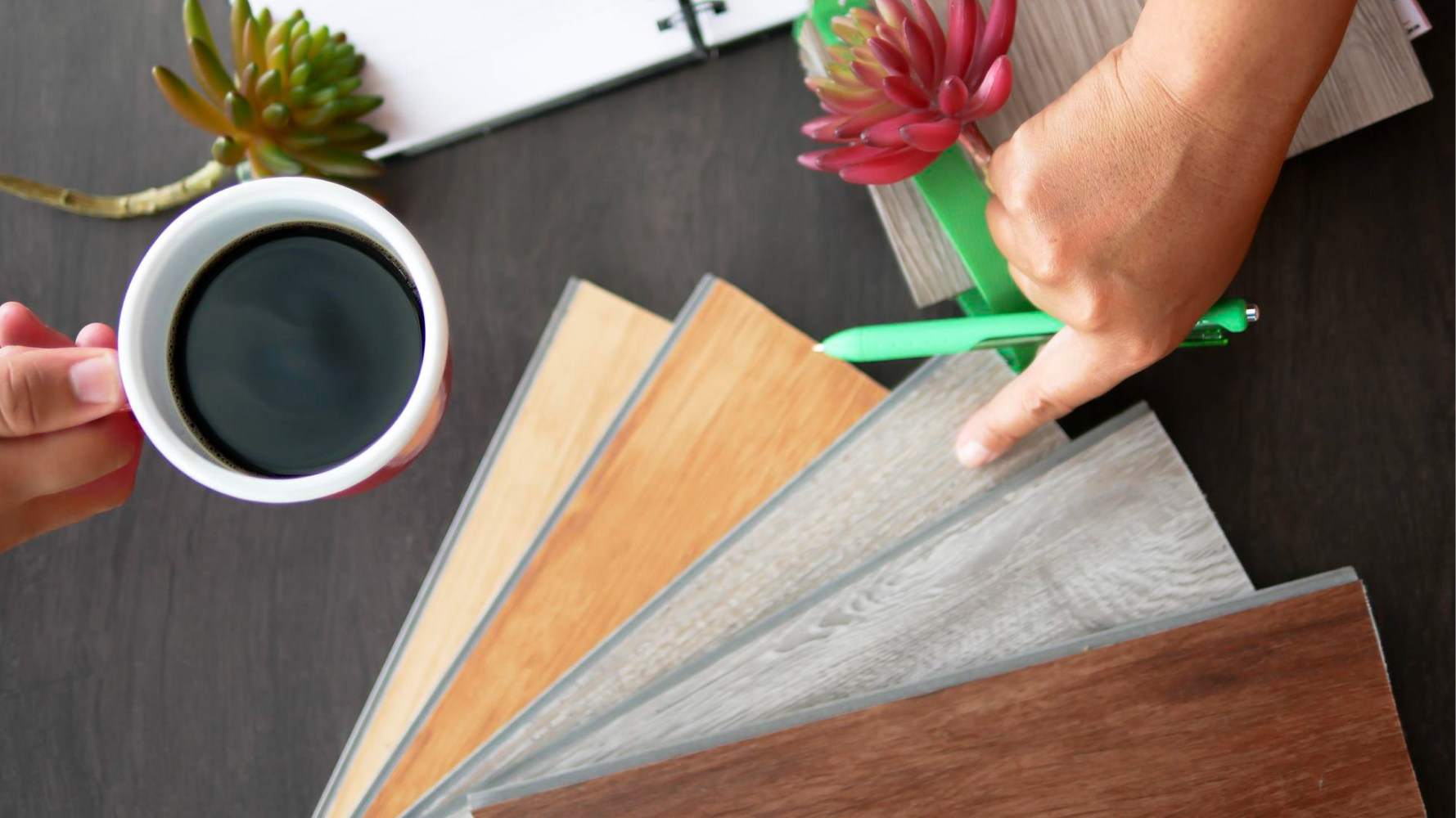
Stain Options from Natural to Deep Modern Tones
White oak accepts stain exceptionally well thanks to its even grain structure and open pores. You can achieve virtually any color from pale Scandinavian whites to rich espressos.
The wood’s neutral base doesn’t fight against stain colors the way some species do. Water-based stains offer low-VOC options with excellent color retention. Oil-based stains penetrate deeper for richer, traditional looks.
Popular white oak stain trends:
- Natural or Clear Coat: Authentic wood tones with protective finish only
- Light Grays and Greiges: Modern aesthetics with cool undertones
- Medium Browns and Caramels: Traditional warmth with classic appeal
- Dark Charcoals and Ebonies: Dramatic contrast for contemporary spaces
- White-Washed or Limed: Coastal styles with vintage character
Working with unfinished hardwood flooring gives you complete control over the final color. You can match existing elements or create entirely new color schemes.
Pairing White Oak with Popular Interior Styles
- Modern interiors benefit from white oak’s clean lines and subtle grain. Wide planks in natural or light gray finishes create the minimalist aesthetic that defines contemporary design. The wood adds warmth without cluttering the visual space.
- Rustic styles showcase white oak’s character grades with natural knots and variation. Medium to dark stains emphasize the organic qualities and create that lived-in, authentic feel.
Want to explore white oak options for your project?
Browse Rustic Wood Floor Supply’s extensive selection of solid and engineered white oak at wood flooring wholesale prices that fit professional and homeowner budgets.
Durability, Maintenance, and Real-Life Performance
White oak proves its worth through decades of daily use. It maintains beauty while withstanding the challenges of active households.
White Oak’s Hardness and Resistance to Wear
White oak ranks 1360 on the Janka hardness scale, harder than red oak (1290) and cherry (950), offering excellent dent and scratch resistance under normal use. The hardness rating translates to excellent dent and scratch resistance under normal use.
Here’s what makes white oak exceptionally durable:
- Janka rating of 1360 puts it in the top tier of hardness
- Dense grain structure acts as natural armor against denting
- Natural silica content increases wear resistance over time
- Minimal traffic patterns are shown compared to softer species
- Closed grain pores prevent dirt and moisture penetration
The dense cellular structure protects against impacts that would damage softer woods. The wood’s natural silica content provides additional durability, creating a floor surface that resists surface wear remarkably well.
How Does It Handle Kids, Pets, and High-Traffic Areas?
Families with children and pets find that white oak performs admirably under daily stress. The hard surface resists scratches from pet nails better than most hardwoods, though regular nail trimming and protective pads under furniture help minimize visible marks.
Active kids running toy trucks and dropping items cause minimal damage compared to softer flooring options. The wood’s hardness absorbs impacts without showing permanent indentations in most cases. High-traffic areas like entryways, hallways, and kitchens hold up exceptionally well, especially when finished with commercial-grade polyurethane.
In real homes, white oak resists pet nail scratches better than most woods, handles toy impacts without permanent dents, and withstands dropped items with minimal visible damage. It shows minimal wear even in high-traffic zones and maintains its appearance with simple maintenance routines.
Day-to-Day Care and Long-Term Maintenance
Daily maintenance of white oak floors requires minimal effort. Sweep or vacuum regularly to remove grit that can scratch the finish over time. Microfiber dust mops work perfectly for quick daily cleaning without introducing excess moisture.
Your Simple Maintenance Schedule:
- Daily: Sweep or dust mop high-traffic areas
- Weekly: Damp mop with pH-neutral hardwood cleaner
- Immediately: Clean up spills to prevent water spots
- Always: Use furniture pads under all chair and table legs
- Strategic: Place area rugs in entryways and high-wear zones
Long-Term Care
Long-term maintenance includes screening and recoating every 3 to 5 years. This process abrades the existing finish and applies a fresh topcoat without full sanding. When the floor eventually shows wear through to the wood, complete refinishing restores it to like-new condition.
Installation, Patterns, and Finishing Touches
Proper installation and thoughtful design choices maximize white oak’s visual impact. Understanding your options helps create floors that look professionally designed.
Site-Finished vs Prefinished White Oak
Site-finished white oak starts with unfinished hardwood flooring installed in its natural state. After installation, the entire floor is sanded smooth and finished with stain and protective topcoats. This approach creates seamless color consistency. It allows complete customization of both color and sheen level across the entire floor.
The site-finishing process takes several days, including drying time between coats. Sanding generates dust despite modern containment systems. However, the results include perfect color matching and filled cracks between boards.
Prefinished white oak arrives with a factory-applied finish that’s typically harder and more durable. Installation proceeds faster since floors are ready for use within hours.
Finishing method comparison:
- Site-Finished: Complete color control, seamless appearance, longer timeline
- Prefinished: Immediate usability, harder factory finish, visible micro-bevels
- Site-Finished: Higher installation cost, dust, and fume concerns
- Prefinished: Lower total cost, cleaner process, limited color options
Popular Layouts: Straight, Herringbone, Wide Plank
- Straight-Lay Pattern: The most common installation with planks running parallel to the longest wall, creating clean, contemporary lines that showcase the wood’s natural grain.
- Herringbone Pattern: Sophisticated geometric design with boards at 90-degree angles creating a distinctive zigzag that adds formal elegance to dining rooms and entryways.
- Wide Plank Installation: Bold, modern aesthetic with planks 6 to 10 inches wide that deliver fewer seams and continuous grain flow, perfect for open floor plans and minimalist designs.
Pro-Tip:
When planning herringbone or chevron patterns, order an extra 15% to 20% beyond your square footage to account for cutting waste at pattern angles. The investment in material creates truly distinctive floors worth the additional cost.
Matching Trims, Stairs, and Transitions
Cohesive flooring design includes properly coordinated trim pieces and transitions. White oak stair treads, risers, and nosing should match your floor’s color and finish.
Transition moldings bridge height differences between rooms and material types. T-moldings work for equal-height transitions, while reducers handle elevation changes to tile or carpet.
Essential trim components:
- Stair treads and risers in matching finish
- T-moldings for room-to-room transitions
- Reducers for height changes to other materials
- Threshold pieces for door transitions
- Quarter-round and baseboard in matching species
Pre-staining trim pieces before installation ensures color consistency with your floor. Some designers prefer painted trim for contrast, which also works beautifully with white oak floors.
Bottom Line
White oak hardwood flooring is a top choice for its proven performance, timeless beauty, and versatility. Its durability, long lifespan, and compatibility with any design make it a smart investment for homeowners and contractors alike. The wood’s ability to complement any design style while withstanding the demands of active households makes it the smart choice.
At Rustic Wood Floor Supply, we’re passionate about connecting builders, contractors, and homeowners with the finest white oak hardwood flooring available. Our carefully curated selection includes solid and engineered options in various widths, grades, and finishes to match any design vision and budget.
We offer professional-grade products at wood flooring wholesale prices that respect your budget without compromising on the beauty and performance you expect. Our knowledgeable team provides expert guidance from product selection through installation. We ensure your project succeeds from start to finish with personalized support that makes the difference.
Contact us for personalized product recommendations, competitive quotes, and the expert support that turns flooring dreams into reality. Your perfect white oak floor is waiting.
Frequently Asked Questions
Is White Oak more durable than other hardwoods?
Yes, white oak is more durable than most common hardwoods with a Janka rating of 1360, making it harder than red oak, walnut, and cherry. Its density and closed grain structure provide excellent resistance to dents, scratches, and moisture damage for long-lasting performance.
Should I choose solid or engineered White Oak?
Choose solid white oak for above-grade installations over wood subfloors when maximum refinishing potential matters. Select engineered white oak for concrete subfloors, basements, wide plank designs, or installations over radiant heat where dimensional stability is crucial for long-term success.
What finish is best for my lifestyle?
For busy households with kids and pets, choose satin or matte finish polyurethane, which hides wear better than gloss finishes. Commercial-grade aluminum oxide finishes offer maximum durability. Hardwax oil finishes provide easy spot repairs. Match finish durability to your household's activity level and maintenance preferences.
How long can a White Oak floor last?
White oak floors can last 100+ years with proper maintenance and periodic refinishing. Solid white oak can be refinished 5 to 10 times throughout its lifespan. Many historic homes still showcase original white oak floors from the early 1900s that remain beautiful and functional today.
Author Profile
- I have worked in hardwood flooring for the last 8 years. Use to run a company of residential crews as well as a company with gym flooring. If you need floor installation or refinishing help, I should have an answer or at least get you in the right direction.
Latest entries
 FlooringJanuary 15, 2026Does New Hardwood Flooring Increase Your Home Value?
 FlooringJanuary 14, 2026Can You Refinish Engineered Hardwood?
 FlooringJanuary 10, 2026What Wood Floor Color Do I Choose?
 FlooringJanuary 9, 2026How To Prevent Hardwood Floor Moisture Problems?