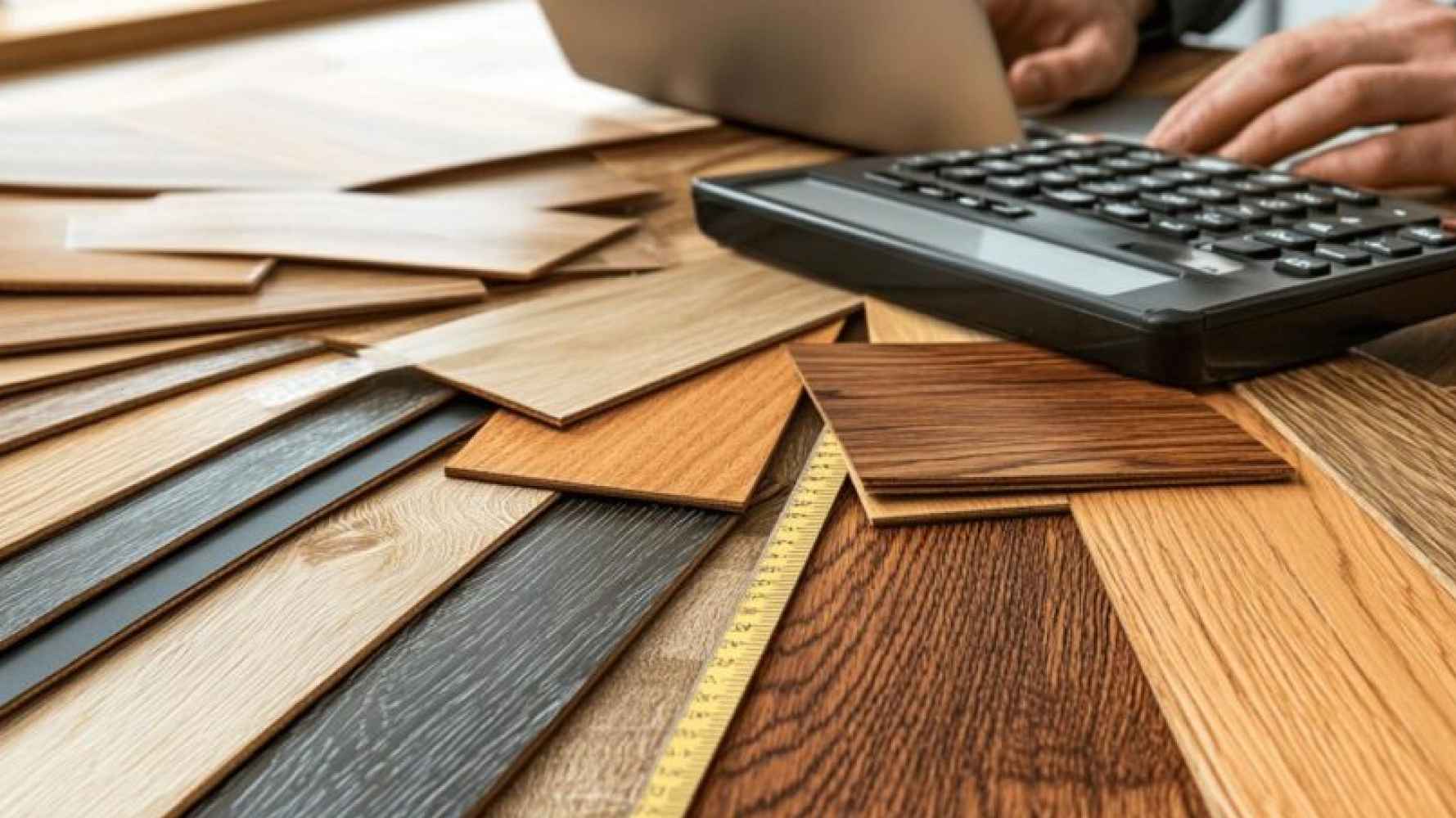
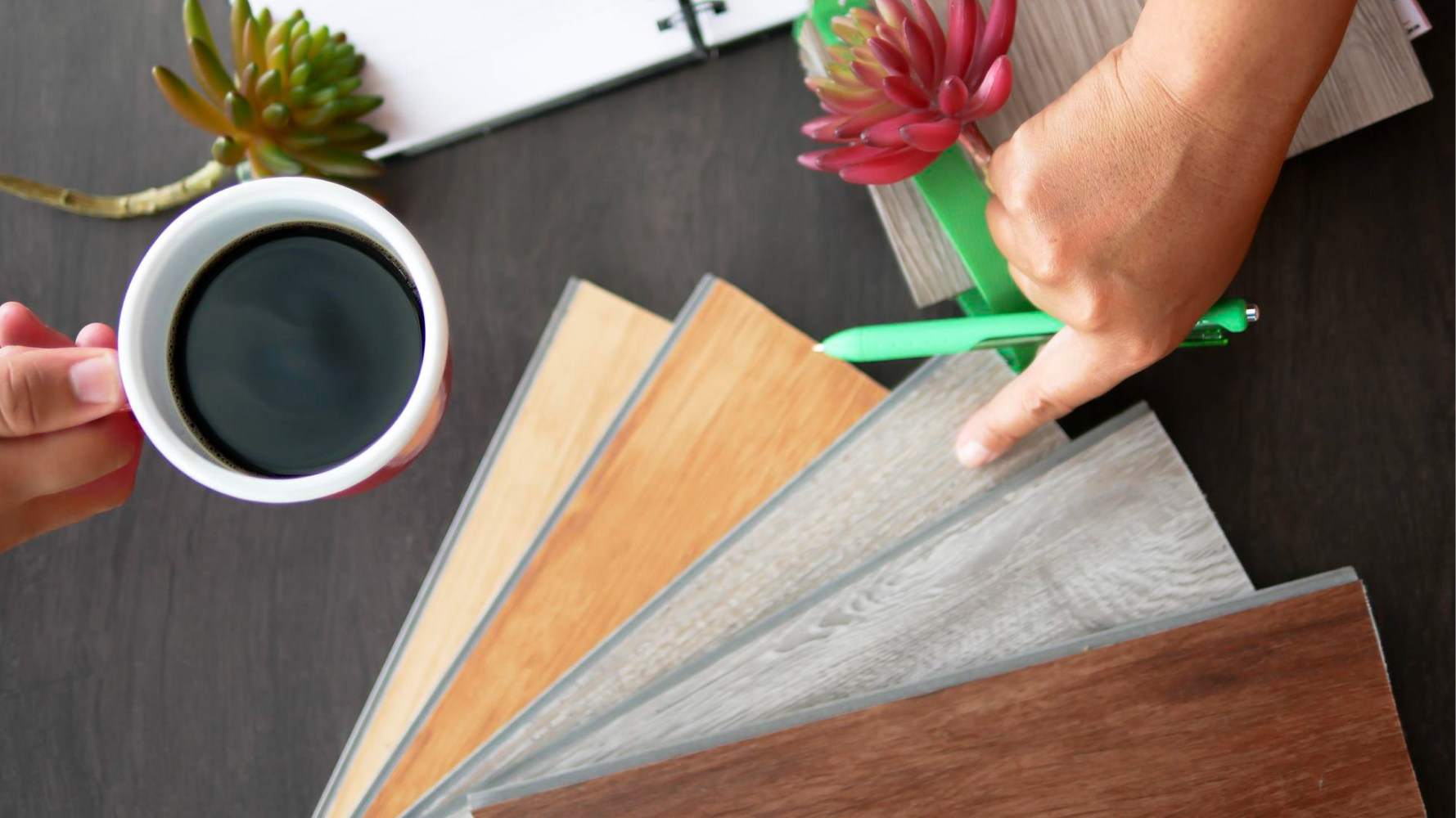
You’ve decided to install hardwood floors, but now you’re staring at dozens of options that all look beautiful in photos. Oak, maple, hickory, and walnut each come in multiple grades, cuts, and finishes. How do you know which one actually makes sense for your space, lifestyle, and budget?
Choosing the wrong hardwood can lead to expensive problems down the road. Softer hardwood species scratch more easily in high-traffic areas, certain species react poorly to moisture, and some finishes require more maintenance than busy households can realistically manage. The right choice depends on where the floor goes, who uses the space, and how much upkeep you’re willing to handle.
At Rustic Wood Floor Supply, we’ve been helping contractors and homeowners navigate these decisions since 2007. Our knowledgeable staff knows every product we sell inside and out, which means we can match you with flooring that actually fits your situation.
Explore Our Hardwood Wholesale Flooring Options: (678) 691-0533
Understanding Hardwood Types
Before comparing wood species, you need to understand the three main categories of hardwood flooring and how they differ in construction, installation, and performance.
Solid Hardwood
Solid hardwood is exactly what it sounds like: planks milled from a single piece of wood, typically 3/4 inch thick. This traditional option can be sanded and refinished multiple times over its lifespan, which means properly maintained solid hardwood floors can last over a century.
The downside is that solid wood expands and contracts with humidity changes, making it unsuitable for basements, concrete subfloors, or areas with significant moisture exposure. Installation typically requires nailing or stapling to a wooden subfloor, which limits where you can use it.
Engineered Hardwood
Engineered hardwood features a real wood veneer on top of multiple plywood or HDF layers beneath. This construction makes it far more stable than solid wood and resistant to moisture-related movement.
You can install engineered hardwood over concrete, in basements, and even with radiant heating systems. Most engineered floors can be refinished once or twice, depending on veneer thickness, giving you decent longevity with greater versatility.
Prefinished vs. Unfinished
Prefinished hardwood comes with factory-applied stain and protective coatings, ready to walk on immediately after installation. Unfinished hardwood gets sanded and finished on-site after installation, allowing custom stain colors and a seamless look without micro-beveled edges.
Prefinished saves time and eliminates finish odors in your home, while unfinished provides more customization and a smoother overall appearance.
Comparing Popular Wood Species
Different wood species offer distinct looks, hardness levels, and price points. Understanding these differences helps you balance aesthetics with practical performance.
Oak
Oak remains America’s most popular hardwood flooring choice for good reason. It’s hard enough to resist everyday wear, takes stains beautifully, and comes in red and white varieties with distinct grain patterns.
Red oak has warm, pinkish undertones and prominent grain, while white oak offers cooler, more neutral tones with tighter grain patterns. White oak also resists moisture better, making it the preferred choice for kitchens and bathrooms.
Maple
Maple delivers a clean, contemporary look with subtle grain patterns and light, creamy coloring. It’s harder than oak and resists denting well, but its density makes it harder to stain evenly.
This species works best with clear finishes that showcase its natural beauty or in spaces where you want a bright, modern aesthetic.
Hickory
Hickory is one of the hardest domestic hardwoods available, making it ideal for high-traffic areas, homes with large dogs, or commercial spaces that take serious abuse. Its dramatic grain variation and color contrast create a rustic character that some people love, and others find too busy.
If durability is your top priority and you appreciate bold, natural looks, hickory delivers performance that softer species simply cannot match.
Walnut
Walnut offers rich, chocolate-brown tones with flowing grain patterns that create sophisticated, high-end aesthetics. It’s softer than oak, maple, or hickory, which means it shows wear more readily in busy households.
This species works best in formal living areas, bedrooms, or spaces that don’t see heavy foot traffic.
Factors That Should Guide Your Decision
The best hardwood for your project depends on several practical considerations beyond just appearance.
Traffic and Wear
High-traffic areas like entryways, kitchens, and family rooms need harder species that resist scratches and dents. The Janka hardness scale measures wood density—higher numbers mean better durability.
Hardness ratings to consider:
- Hickory: 1820 (excellent durability)
- Maple: 1450 (very good durability)
- White Oak: 1360 (good durability)
- Red Oak: 1290 (good durability)
- Walnut: 1010 (moderate durability)
Moisture Exposure
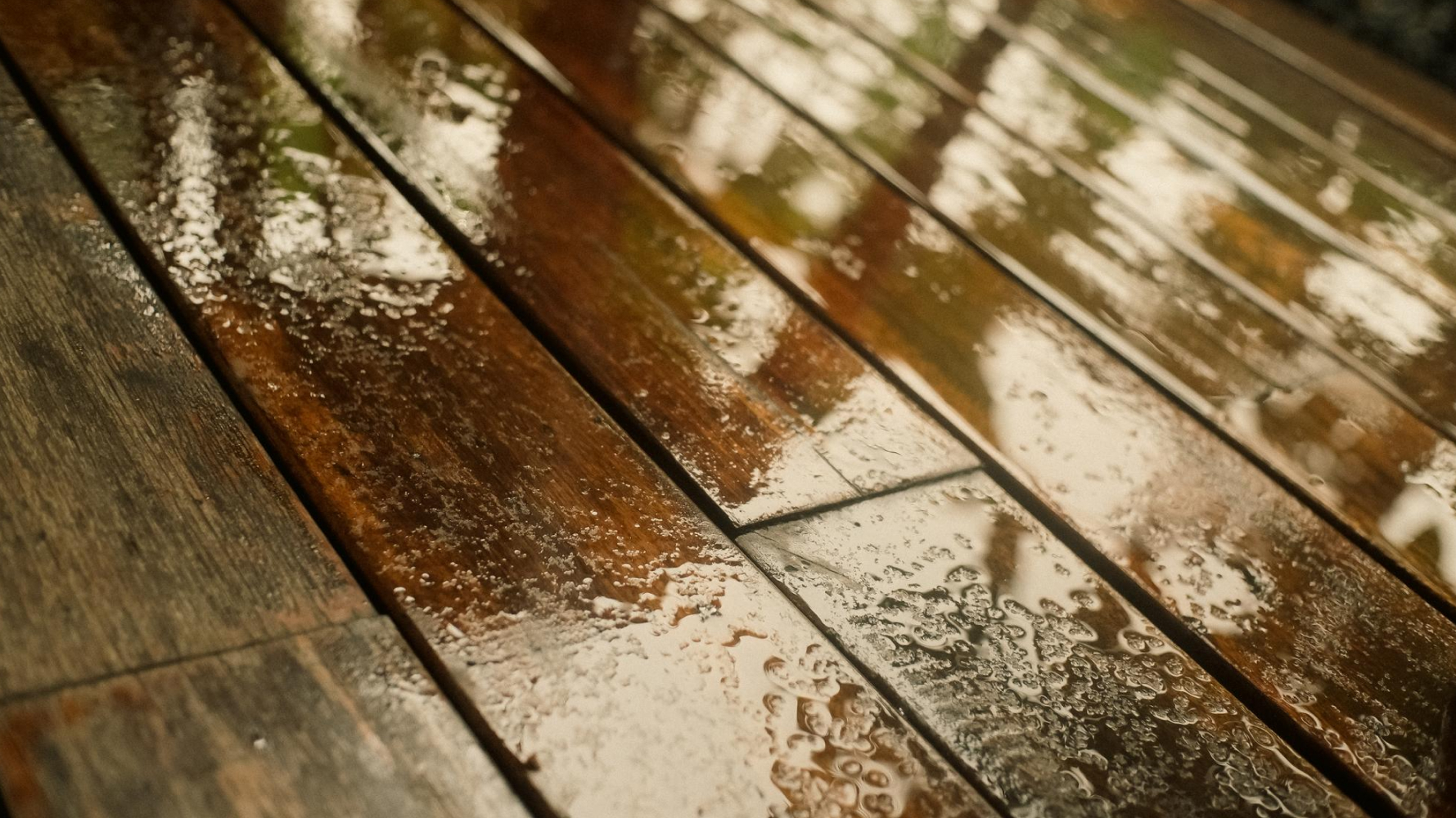
Kitchens, bathrooms, and basements need flooring that handles humidity and occasional spills without warping or cupping. Engineered hardwood outperforms solid wood in these environments, and white oak resists moisture better than most species.
Lifestyle Considerations
Homes with kids, pets, or frequent entertaining need forgiving floors that hide minor damage and clean easily. Textured finishes and wood species with natural color variation mask scratches better than smooth, uniform surfaces.
If you’re working with a wholesale flooring supplier like Rustic Wood Floor Supply, ask about options specifically suited to your household’s demands.
Making Smart Budget Decisions
Hardwood flooring represents a significant investment, and understanding pricing factors helps you get the best value for your budget.
Species and Grade Impact Cost
Exotic species cost more than domestic options, and higher grades with fewer knots and more consistent coloring command premium prices. Character-grade hardwood with natural variations often provides excellent value while adding visual interest.
Consider Long-Term Value
Cheaper flooring that needs replacement in 15 years costs more over time than quality hardwood that lasts 50+ years with proper care. Factor refinishing potential into your calculations. Solid hardwood’s ability to be sanded multiple times extends its effective lifespan significantly.
Wholesale Pricing Makes a Difference
Working with a hardwood flooring supply warehouse rather than retail stores can save 20-40% on materials for larger projects. At Rustic Wood Floor Supply, we offer trade and bulk pricing tiers that improve with order size, making quality hardwood accessible for projects of all scales.
Bottom Line
Choosing the right hardwood comes down to matching species characteristics with your specific needs, lifestyle, and budget. Consider traffic levels, moisture exposure, and aesthetic preferences before making your decision, and don’t hesitate to ask experts for guidance.
At Rustic Wood Floor Supply, we stock premium hardwood flooring from trusted manufacturers at wholesale flooring prices. Our locations in Atlanta, Boise, and Spokane serve contractors and homeowners with quality products and knowledgeable support that makes selection easier.
Request Your Custom Flooring Quote Today: (678) 691-0533
Frequently Asked Questions
What's the most durable hardwood for busy households?
Hickory offers the highest durability among common domestic species, followed by maple and white oak. These harder woods resist scratches and dents better than softer options like walnut or cherry.
Can I install hardwood in my basement?
Engineered hardwood works well in basements because its layered construction resists moisture-related expansion and contraction. Solid hardwood is not recommended for below-grade installations.
How do I choose between red oak and white oak?
Red oak has warmer, pinkish tones and bolder grain patterns, while white oak offers cooler, neutral coloring with tighter grain. White oak also handles moisture better, making it preferable for kitchens and bathrooms.
Is prefinished or unfinished hardwood better?
Prefinished hardwood saves installation time and avoids finish odors in your home. Unfinished hardwood allows custom staining and creates seamless surfaces without micro-beveled edges between planks.
How much extra flooring should I order?
Order 5-10% more than your measured square footage to account for waste, cutting errors, and future repairs. Complex patterns or diagonal installations may require up to 15% extra material.
Author Profile
- I have worked in hardwood flooring for the last 8 years. Use to run a company of residential crews as well as a company with gym flooring. If you need floor installation or refinishing help, I should have an answer or at least get you in the right direction.
Latest entries
 FlooringJanuary 15, 2026Does New Hardwood Flooring Increase Your Home Value?
 FlooringJanuary 14, 2026Can You Refinish Engineered Hardwood?
 FlooringJanuary 10, 2026What Wood Floor Color Do I Choose?
 FlooringJanuary 9, 2026How To Prevent Hardwood Floor Moisture Problems?