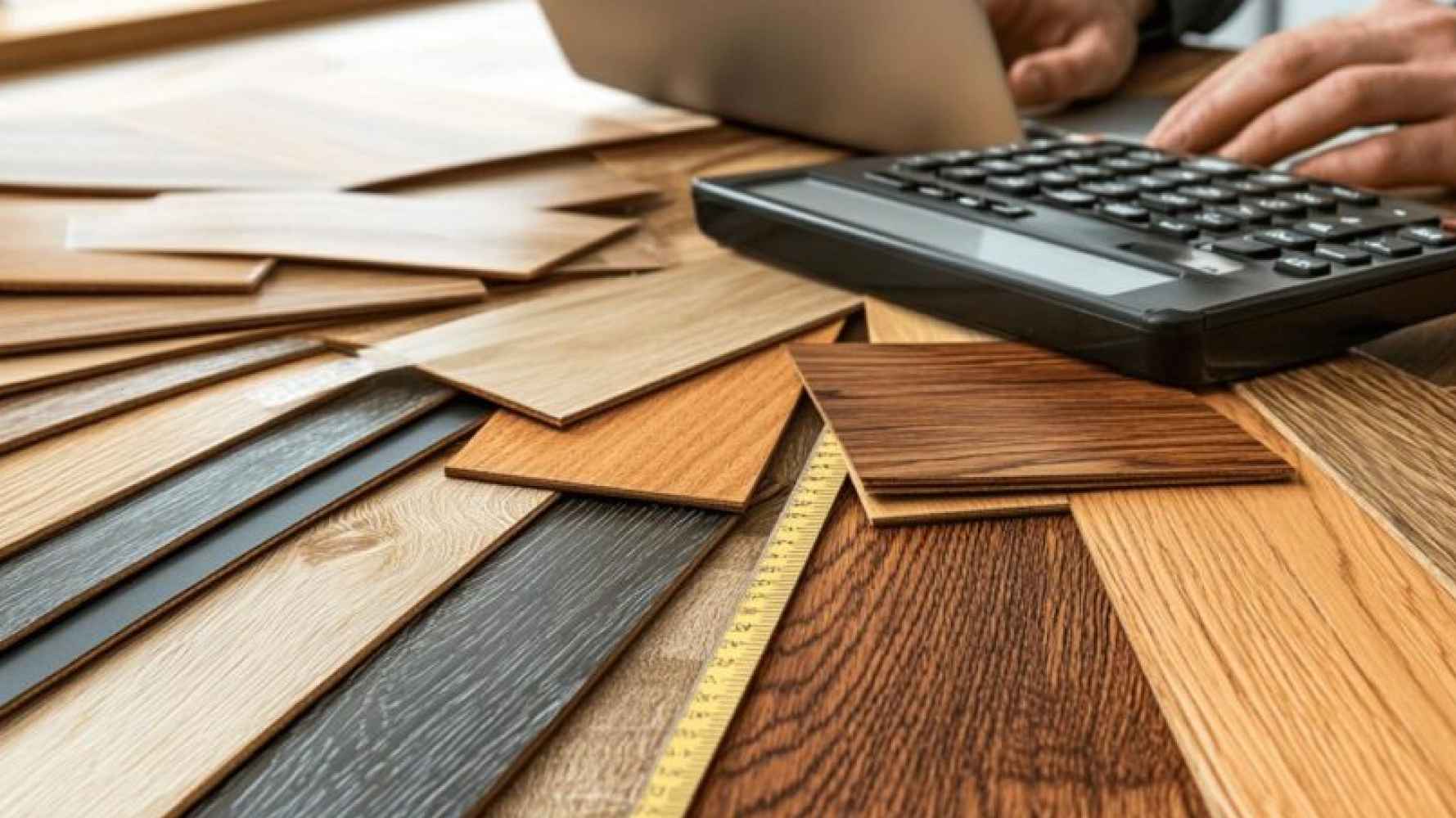
Vinyl flooring has become the go-to choice for Spokane homeowners who want durability without the high price tag. It handles spills better than hardwood. It survives temperature changes better than laminate. It looks great in kitchens, bathrooms, and basements. But Spokane’s weather throws challenges at floors that milder climates never see. Winter brings tracked-in snow, road grit, and de-icer salt. Spring means mud season. Summer heat can cause slight expansion in some vinyl types, especially flexible LVP. Fall brings leaves and moisture. Many homeowners invest in high-quality wholesale vinyl plank flooring for its resilience, yet proper maintenance determines whether it lasts 10 years or 20 years.
Simple daily habits prevent scratches. Smart cleaning methods preserve the finish. Seasonal deep cleaning tackles stubborn grime. The right care routine keeps vinyl floors looking beautiful through every Spokane season.
Simple routines prevent damage and extend floor life. Keep vinyl floors performing like new with proven maintenance strategies by Rustic Wood Floor Supply experts designed for Spokane’s unique climate challenges.
Get Flooring Care Guide: (509) 921-5585
What Makes Vinyl Flooring Ideal for Spokane Homes?
Vinyl flooring suits Spokane’s variable climate because it handles moisture and temperature fluctuations without the warping or cracking common in other materials.
Vinyl vs. Other Flooring in a Four-Season Climate
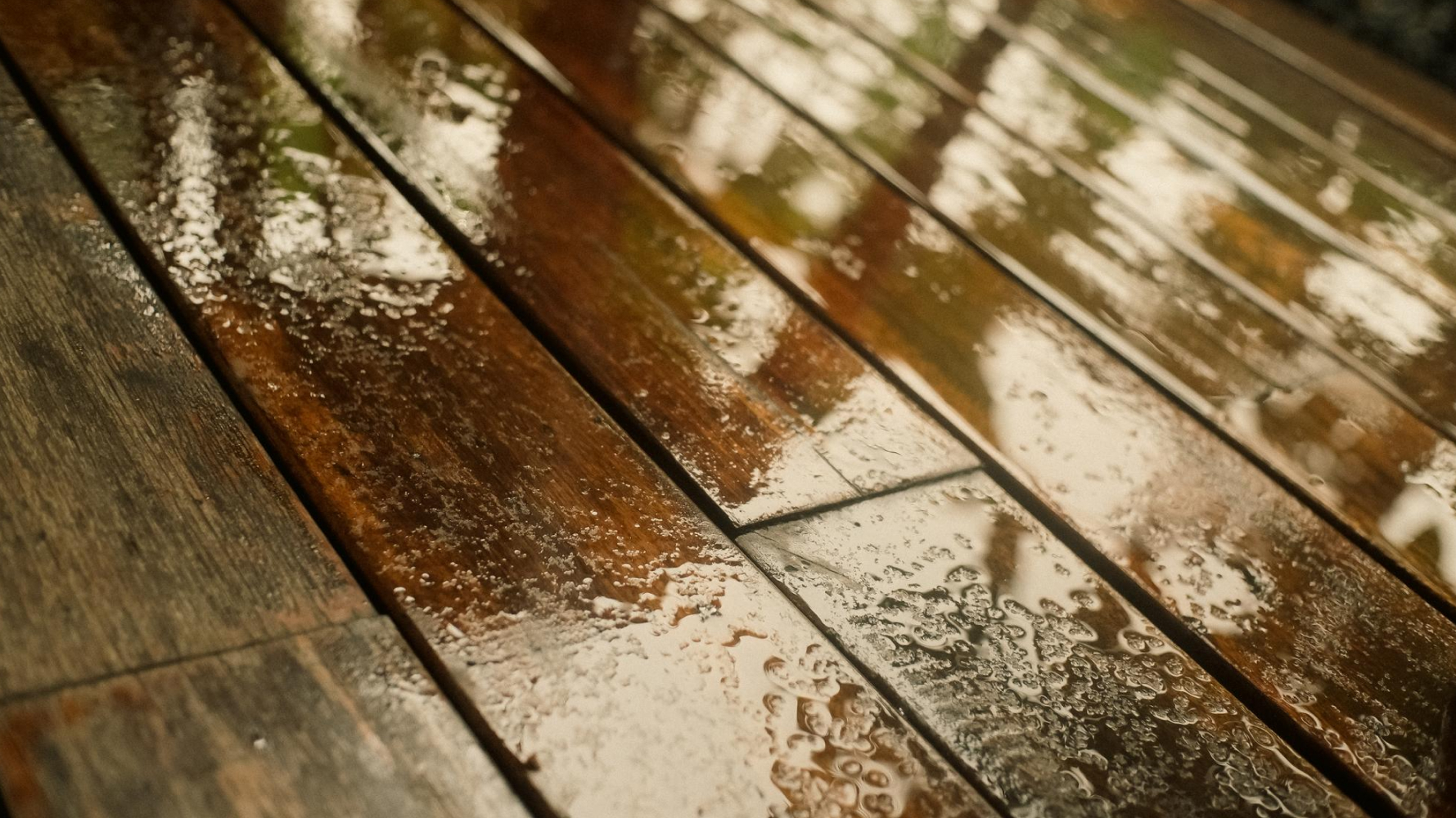
Vinyl resists water damage that ruins hardwood floors during wet Spokane winters. It handles temperature swings better than laminate, which can buckle from seasonal expansion and contraction. Unlike tile, vinyl stays warmer underfoot during cold months.
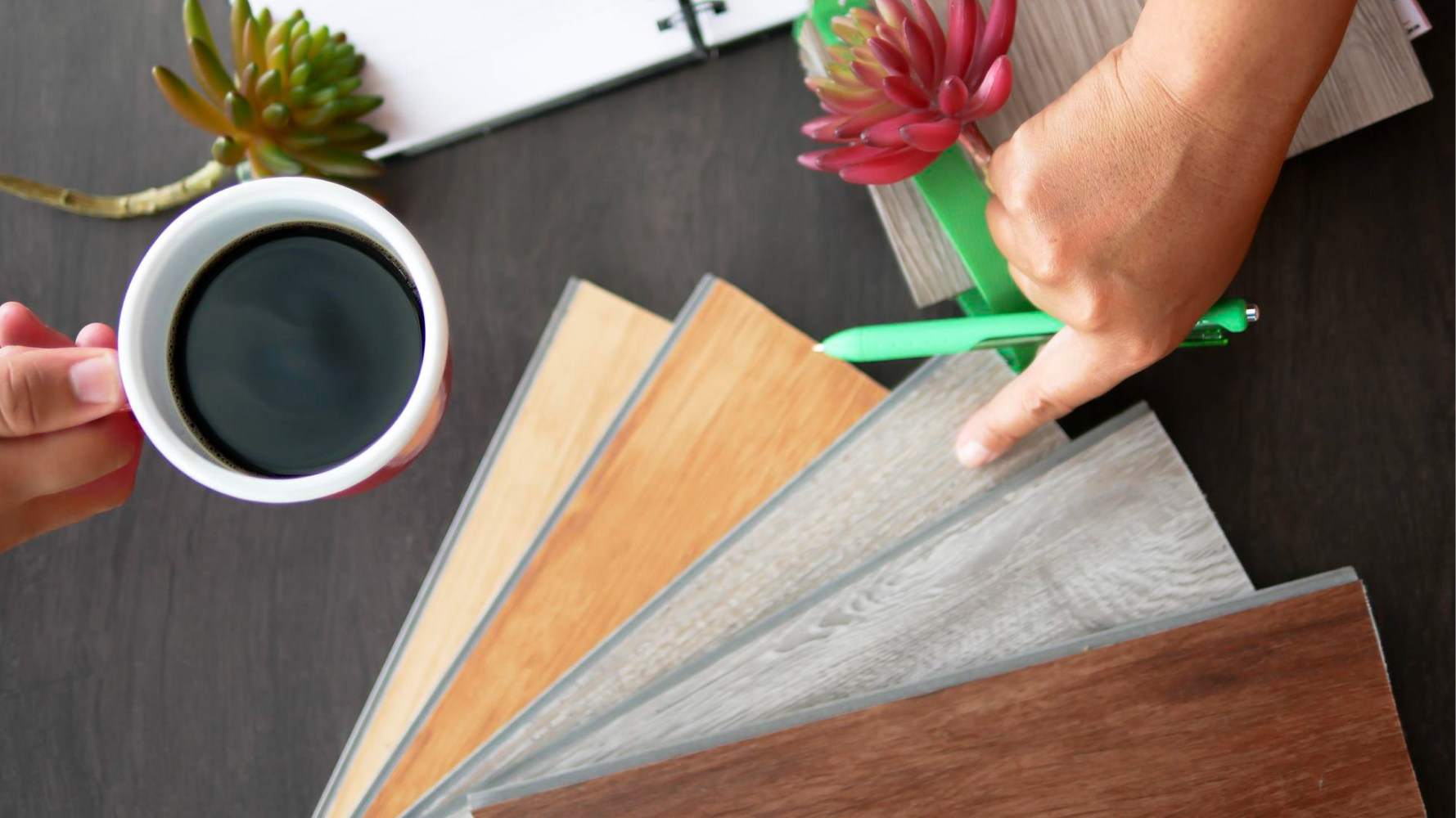
Common Vinyl Types in Spokane (Sheet, LVP, LVT)
Sheet vinyl covers entire rooms in one piece with minimal seams. Luxury vinyl plank (LVP) mimics hardwood with individual planks. Luxury vinyl tile (LVT) replicates stone or ceramic tile. Many installers prefer LVP because it offers strong durability and realistic wood visuals.
How Spokane’s Weather Affects Vinyl Floors
Cold winters mean tracked-in grit from sanded roads can scratch the protective wear layer when it’s walked across. Snowmelt and de-icer residue create sticky films. Spring mud season increases dirt accumulation. These conditions require more frequent cleaning than drier climates demand.
Daily & Weekly Cleaning Routine for Vinyl Floors
Consistent light cleaning prevents dirt buildup that damages vinyl surfaces over time. Spokane homes benefit from daily attention during the winter months when outdoor debris increases.
Dry Cleaning: Sweeping and Vacuuming
Use soft-bristle brooms or vacuum cleaners with hard-floor settings to remove grit daily. Avoid beater bars that can scratch vinyl surfaces.
Dry cleaning best practices:
- Sweep entryways and kitchens every day
- Vacuum high-traffic hallways three times weekly
- Use microfiber dust mops for quick passes
- Empty vacuum canisters frequently to maintain suction
Removing grit before it gets ground into the floor prevents permanent scratching of the wear layer.
Damp Mopping the Right Way
Damp mopping differs from wet mopping—the mop should be wrung nearly dry. Excess water seeps into seams and edges, potentially causing adhesive failure or plank swelling.
Proper mopping technique:
- Use microfiber mops that clean without excess water
- Apply pH-neutral vinyl floor cleaner diluted per instructions
- Wring mop thoroughly before each pass
- Change the water when it looks dirty
- Dry stubborn spots with clean towels
Weekly damp mopping maintains vinyl appearance without risking water damage.
Spot Cleaning Spills and Messes
Clean spills immediately before they dry into sticky residue. Most fresh spills are wiped up with damp cloths and plain water.
For tougher spots:
- Mix a few drops of dish soap in warm water
- Use diluted white vinegar for mineral deposits
- Rinse cleaned areas with plain water
- Dry completely with soft towels
Immediate attention prevents stains from setting into the vinyl texture.
Monthly and Seasonal Deep Cleaning
Deep cleaning removes buildup that regular maintenance misses. Spokane homes need seasonal deep cleans after harsh winters and muddy springs.
When and How to Deep Clean
Deep clean monthly during winter when grit and de-icer accumulate faster. Spring and fall cleanings prepare floors for seasonal changes.
Deep cleaning steps:
- Remove all furniture and area rugs
- Vacuum thoroughly, including baseboards
- Mop with manufacturer-approved vinyl cleaner
- Rinse with clean water if the product requires
- Dry completely before replacing furniture
Allow several hours for proper drying before foot traffic resumes.
Dealing With Ground-In Dirt, Scuffs, and Stains
Stubborn marks need targeted treatment without damaging the protective wear layer. pH-neutral cleaners work on most vinyl stains safely.
Treatment methods:
- Use soft-bristle brushes for textured vinyl
- Apply cleaner directly to scuff marks
- Rub gently in circular motions
- Avoid abrasive pads that scratch surfaces
- Test products in inconspicuous areas first
Patience works better than aggressive scrubbing on vinyl flooring.
Inspecting for Gaps, Lifting, and Wear in High-Traffic Areas
Check entryways, kitchens, and hallways during deep cleaning sessions. Look for plank edges lifting, gaps between pieces, or worn areas where patterns fade.
Inspection checklist:
- Examine seams for separation
- Check for loose or clicking planks
- Note scratches penetrating the wear layer
- Identify areas needing professional repair
Early detection prevents minor issues from becoming major problems requiring full replacement.
Preventative Care for Long-Lasting Vinyl Floors
Protection strategies prevent damage before it occurs. Spokane’s challenging climate makes preventative measures especially valuable.
Entry Mats, Runners, and Area Rugs
Mats at exterior doors trap grit, moisture, and de-icer before they reach vinyl floors. This simple step noticeably reduces cleaning needs and everyday floor wear.
Mat placement strategy:
- Use heavy-duty mats at all exterior doors
- Place runners in high-traffic hallways
- Add washable rugs in mudrooms
- Choose mats with non-staining rubber backs
- Clean mats weekly during winter
Mats should extend at least three steps into the home for maximum effectiveness.
Furniture Pads and Moving Heavy Items
Furniture legs concentrate weight onto small points that dent or tear vinyl. Protective pads distribute weight and prevent damage.
Furniture protection:
- Install felt pads under chair and table legs
- Use hard plastic caps for heavy furniture
- Replace worn pads every six months
- Lift furniture when moving, never drag
- Use furniture sliders for rearranging rooms
Regular pad inspection prevents damage from worn-through protectors.
Pet Nails, Kids, and High-Traffic Zones
Trim pet nails monthly to prevent scratching during normal activity. Long nails act like tiny knives on vinyl surfaces during play and running.
High-use area care:
- Rotate area rugs to distribute wear
- Use protective mats under pet food bowls
- Cover play areas with washable rugs
- Teach kids not to drag toys across floors
Strategic rug placement extends vinyl life in busy household zones.
Managing Indoor Humidity and Temperature
Spokane’s seasonal humidity swings cause vinyl expansion and contraction. Maintaining moderate indoor conditions reduces floor stress.
Climate control tips:
- Keep humidity between 35-55% year-round
- Use dehumidifiers in damp basements
- Run humidifiers during dry winter heating
- Maintain consistent indoor temperatures
- Allow new flooring to acclimate before installation
Stable conditions help prevent winter contraction gaps and summer expansion-related lifting.
Protect vinyl investments with professional-grade flooring solutions designed for Spokane’s climate demands. Quality materials paired with proper care deliver decades of beautiful, durable floors.
Products and Methods to Avoid on Vinyl Flooring
Certain cleaning products and tools damage vinyl despite seeming effective. Knowing what to avoid prevents costly mistakes.
Harsh Chemicals and Abrasive Tools
Bleach, ammonia, and abrasive cleaners strip protective wear layers that give vinyl its durability and stain resistance.
Never use:
- Bleach-based cleaners
- Ammonia solutions
- Scouring powders
- Steel wool or abrasive pads
- Solvent-based products
Damage to wear layers cannot be reversed and requires plank replacement.
Why Steam Mops Are a Bad Idea
Steam combines heat and moisture in ways that harm vinyl flooring. The high temperature softens adhesives while steam penetrates seams.
Steam mop risks:
- Warps vinyl planks from heat exposure
- Loosens adhesive bonds
- Causes seam swelling
- Voids manufacturer warranties
- Creates permanent damage
Even waterproof vinyl suffers from repeated steam exposure.
Wax, Polish, and “Shine Restorers”
Modern LVP and LVT come with factory finishes that don’t need waxing. Adding wax creates sticky buildup that attracts dirt and dulls the appearance.
Finish products to avoid:
- Paste wax formulas
- Acrylic floor polish
- Shine enhancement products
- DIY coating solutions
Use only manufacturer-approved products if additional finish becomes necessary.
Special Care Tips for Different Rooms in Spokane Homes
Different rooms face unique challenges requiring adapted maintenance approaches.
Kitchens and Dining Areas
Food debris and cooking oils demand frequent attention. Crumbs act like sandpaper when walked on, grinding into the vinyl texture.
Kitchen-specific care:
- Sweep after meal preparation
- Wipe spills from sinks immediately
- Clean under appliances monthly
- Use rugs near dishwashers
- Address grease spots promptly
Daily sweeping prevents most kitchen floor problems.
Bathrooms, Laundry Rooms, and Mudrooms
Water exposure increases in these wet zones. Proper installation with sealed seams and caulked transitions prevents water damage.
Wet room maintenance:
- Wipe bathroom floors after showers
- Check caulking twice yearly
- Clean behind toilets monthly
- Dry laundry room spills immediately
- Use absorbent mats in mudrooms
Water sitting on seams causes the most damage in moisture-prone rooms.
Basements and Entryways
Spokane basements face moisture from below, while entryways handle snowmelt and tracked debris. These areas need extra protection and monitoring.
Below-grade and entry care:
- Use commercial-grade entry mats
- Monitor basement humidity levels
- Clean entry floors daily in winter
- Inspect for moisture problems
- Consider dehumidifiers in damp basements
Winter demands doubled cleaning frequency in entryways and mudrooms.
When to Call a Spokane Flooring Pro
Some vinyl problems exceed homeowner repair capabilities and need professional intervention.
Damage You Should Not DIY
Deep gouges exposing subfloor, burns from dropped items, widespread plank lifting, or moisture coming from below require professional assessment and repair.
Professional repair situations:
- Multiple lifted or loose planks
- Water damage from leaks
- Subfloor moisture issues
- Burns or deep cuts
- Installation defects
Attempting complex repairs without experience often worsens damage. For issues beyond vinyl care, services like wood floor refinishing Spokane professionals offer can address related hardwood concerns in mixed-flooring homes.
Repair vs. Replacement for Older Vinyl
Individual damaged planks in click-lock systems can often be replaced without full floor removal. Sheet vinyl and glue-down installations may require larger repairs.
Replacement considerations:
- Plank availability in discontinued patterns
- Extent of damage across the floor
- Age and overall condition
- Installation type and complexity
- Cost comparison of repair versus new installation
Professionals help determine the most cost-effective solution for specific situations.
Quick Do’s and Don’ts for Vinyl Floor Maintenance
Vinyl Floor Do’s
Follow these practices to maintain beautiful vinyl floors that last for decades in Spokane homes.
Essential maintenance do’s:
- Clean regularly with soft brooms or vacuums
- Use pH-neutral cleaners designed for vinyl
- Wipe spills immediately before they dry
- Place protective mats at all exterior doors
- Install furniture pads under all legs
- Control indoor humidity year-round
- Trim pet nails monthly
- Allow new floors to acclimate before installation
Vinyl Floor Don’ts
Avoid these common mistakes that damage vinyl flooring and void warranties.
Critical don’ts:
- Don’t use steam mops or excessive water
- Don’t apply harsh chemicals or abrasive cleaners
- Don’t use scouring pads or steel wool
- Don’t wax unless the manufacturer specifically recommends
- Don’t drag furniture across floors
- Don’t leave standing water on surfaces
- Don’t use rubber-backed mats that stain
- Don’t ignore the manufacturer’s care instructions
Takeaway
Maintaining vinyl flooring in Spokane homes combines simple daily habits with awareness of local climate challenges. Regular sweeping removes abrasive grit that damages protective wear layers. Preventative measures like entry mats, furniture pads, and humidity control extend floor life significantly.
Following manufacturer guidelines, combined with Spokane-specific adaptation, delivers vinyl floors that look beautiful and perform reliably for decades. The investment in quality flooring deserves the commitment to proper maintenance that protects that investment.
Rustic Wood Floor Supply provides premium vinyl flooring options engineered for Pacific Northwest conditions. Our selection includes luxury vinyl plank and tile from leading manufacturers known for durability and realistic appearance. Our team helps homeowners select appropriate vinyl products for specific rooms and usage patterns while providing detailed maintenance guidance for long-term success.
Talk To Experts Today:(509) 921-5585
Frequently Asked Questions
How often should I clean vinyl floors in a busy Spokane household?
Sweep or vacuum high-traffic areas daily and damp mop weekly. Increase frequency during winter months when tracked grit and moisture accumulate faster from snow and road treatments.
What is the best mop and cleaner for vinyl plank flooring?
Microfiber mops work best because they clean effectively without excess water. Use pH-neutral vinyl floor cleaners diluted according to manufacturer instructions for safe, effective cleaning without damage.
Can I use a steam mop on vinyl floors if they are waterproof?
No, steam mops damage vinyl regardless of waterproof ratings. The heat softens adhesives and warps planks while steam penetrates seams, causing swelling and permanent damage that voids warranties.
How do I protect my vinyl floors from Spokane's winter grit and de-icer?
Place heavy-duty mats at all exterior doors extending at least three steps inside. Clean mats weekly and sweep entry floors daily during winter to remove abrasive grit before tracking throughout homes.
How long should quality vinyl flooring last with proper maintenance?
Quality vinyl flooring with proper maintenance lasts 15-20 years in residential settings. Neglected floors may need replacement within 10 years, while well-maintained floors often exceed 20-year expectations.
Author Profile
- I have worked in hardwood flooring for the last 8 years. Use to run a company of residential crews as well as a company with gym flooring. If you need floor installation or refinishing help, I should have an answer or at least get you in the right direction.
Latest entries
 FlooringJanuary 15, 2026Does New Hardwood Flooring Increase Your Home Value?
 FlooringJanuary 14, 2026Can You Refinish Engineered Hardwood?
 FlooringJanuary 10, 2026What Wood Floor Color Do I Choose?
 FlooringJanuary 9, 2026How To Prevent Hardwood Floor Moisture Problems?