Excess moisture is the biggest enemy of hardwood floors. When humidity levels rise too high or water sits on the surface, your floors can cup, warp, crack, or develop mold underneath. Maintaining indoor relative humidity between 35 and 55% protects your investment and keeps floors beautiful for years.
If you recently installed bulk hardwood flooring or have older floors in your home, understanding moisture prevention is essential. The right combination of barriers, ventilation, and daily habits makes all the difference in protecting your wood surfaces.
Protect your flooring investment from the start. Rustic Wood Floor Supply carries quality hardwood and installation supplies for lasting results.
Explore Our Products: (678) 691-0533
Common Moisture Sources To Prevent
Understanding where moisture comes from helps you prevent problems before they start. The most common sources include:
- Spills from drinks, pet bowls, and cooking liquids
- Seasonal humidity swings during the summer and winter months
- Poor subfloor preparation before installation
- Rising dampness from concrete slabs or crawl spaces
Certain areas of your home face higher moisture exposure than others. Entryways collect rain and snow from shoes. Kitchens experience frequent spills and steam from cooking. Bathrooms generate humidity from showers. These high-risk zones require extra attention and protective measures.
4 Best Strategies to Prevent Hardwood Floor Moisture Problems
Preventing moisture damage requires environmental controls, physical barriers, and consistent maintenance habits. Each strategy addresses a different source of potential damage.
-
Control Humidity
Keeping indoor humidity stable is the most effective way to protect hardwood floors. Your home should maintain a relative humidity between 35 and 55% throughout the year.
- Use dehumidifiers during humid summer months to remove excess moisture.
- Run humidifiers during dry winter months to prevent wood from shrinking.
- Install exhaust fans in kitchens and bathrooms to ventilate steam.
- Keep HVAC systems running consistently to maintain stable conditions.
Monitoring humidity with a hygrometer allows you to make adjustments before problems develop. Opening windows on mild days also helps circulate fresh air naturally. Research shows that keeping wood moisture content below 20% provides a reasonable margin of safety against fungus damage. Wood will not decay if kept dry.
-
Use Barriers and Mats
Physical barriers create a protective layer between your hardwood and moisture sources. A moisture barrier installed beneath your floors blocks vapor from rising through concrete slabs or crawl spaces. This step is especially important for ground-level installations.
Additional protective measures include:
- Place absorbent mats at all entry points to catch water from shoes.
- Use waterproof trays under potted plants to prevent drainage issues.
- Put protective pads under pet water bowls to contain splashes.
These simple additions significantly reduce daily moisture exposure on your hardwood surfaces.
-
Seal and Protect
A quality sealant creates a protective finish that repels water and prevents absorption into the wood grain. Polyurethane remains the most popular choice for hardwood floor protection.
- Apply polyurethane sealant every 3 to 5 years, depending on traffic levels.
- Lift potted plants and furniture periodically to check for trapped moisture.
- Address scratches and worn spots promptly before moisture penetrates.
A properly sealed floor resists water penetration and gives you time to clean up spills before damage occurs. A moisture barrier beneath your floors works together with surface sealant to provide complete protection.
-
Daily Habits
Your everyday actions play a major role in preventing moisture damage. Small habits practiced consistently add up to significant protection over time.
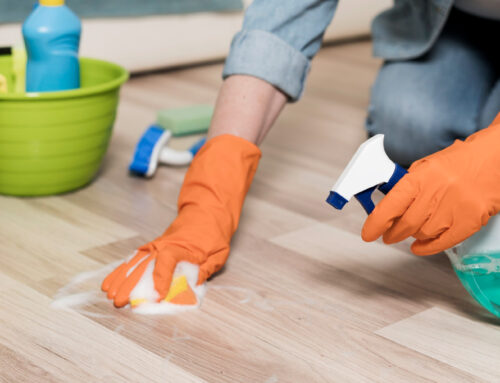
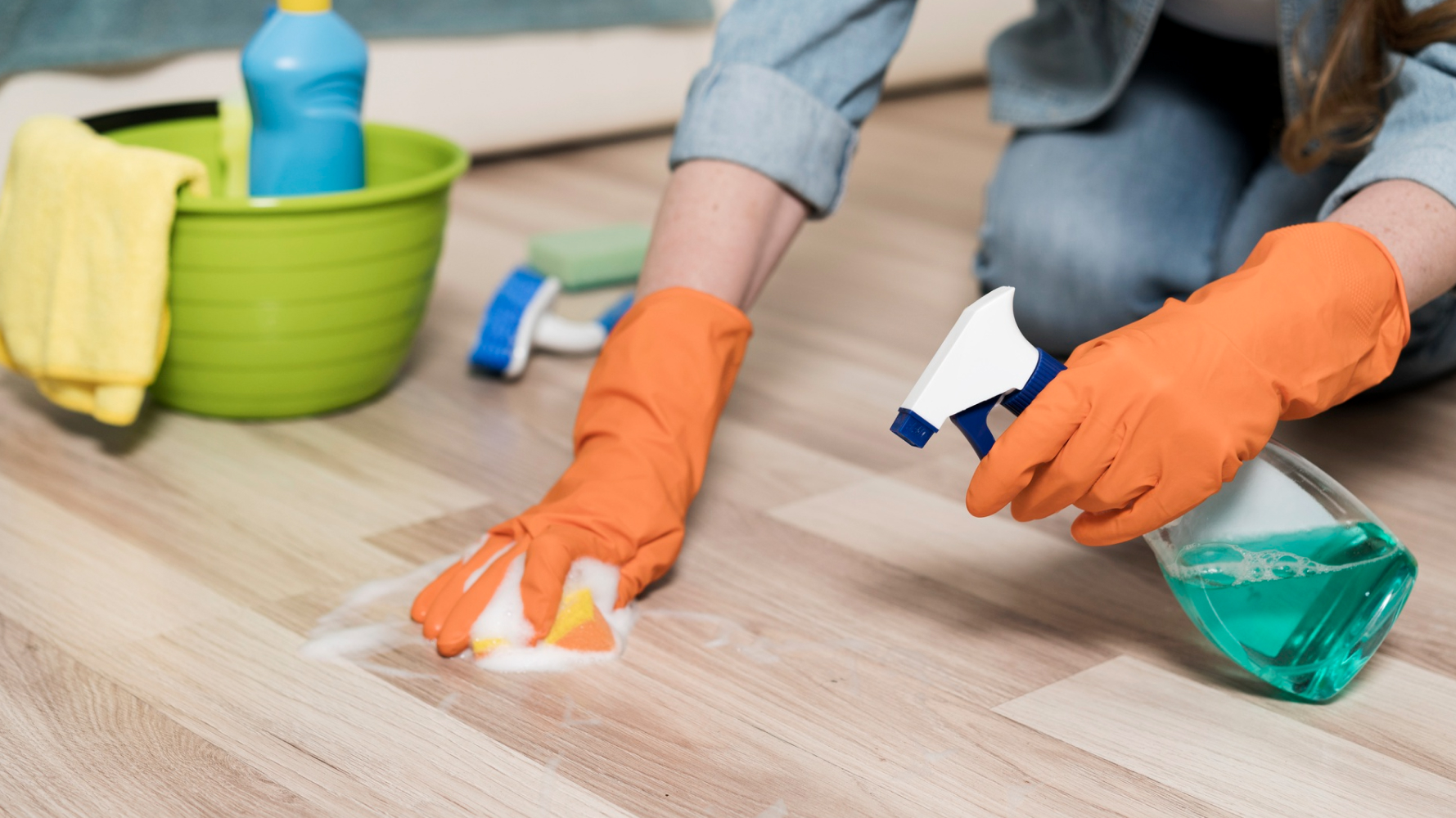
- Wipe up spills immediately using a dry cloth.
- Avoid wet mopping and use only manufacturer-approved cleaning products.
- Remove wet shoes at the door before walking on hardwood.
- Run bathroom exhaust fans for at least 20 minutes after showering.
These routines take only seconds but prevent sustained moisture exposure that causes permanent damage.
Monitoring To Prevent Long-Term Damage
Regular inspection helps you catch moisture problems early before they become expensive repairs. Check your floors seasonally and after any water-related incidents.
- Use a digital hygrometer to monitor indoor relative humidity levels.
- Inspect floors near kitchens, bathrooms, and entryways for cupping or discoloration.
- Check crawl spaces and basements for dampness that could migrate upward.
Early detection allows you to address moisture issues before they cause structural damage.
Bottom Line
Protecting hardwood floors from moisture requires attention to humidity levels, proper barriers, quality sealants, and smart daily habits. Maintaining indoor humidity between 35 and 55% prevents the most common problems.
When you are ready to install new floors, Rustic Wood Floor Supply has everything you need. Our selection of premium hardwood, moisture barrier materials, and installation supplies helps you build a moisture-resistant foundation.
Shop Now: (678) 691-0533
Frequently Asked Questions
What causes moisture problems in hardwood floors?
Moisture issues result from high humidity, subfloor dampness, spills, poor ventilation, or concrete slab vapor. These conditions cause cupping, warping, and mold growth over time.
How do you prevent moisture under hardwood floors?
Install vapor barriers during setup, maintain 35% to 55% indoor humidity, and ensure crawl spaces or concrete slabs are completely dry before installation.
Can hardwood floors handle humidity swings?
No, hardwood floors require stable humidity between 35% and 55%. Use humidifiers in dry winters and dehumidifiers in humid summers to prevent expansion or gaps.
Do I need a moisture barrier for hardwood floors?
Yes, place moisture retarders under floors installed over concrete or crawl spaces. This blocks rising damp and protects against long-term structural damage.
How do you protect hardwood from water spills?
Wipe spills immediately with a dry cloth, use entry mats at doors, seal floors with polyurethane every 3 to 5 years, and avoid wet mopping entirely.
Author Profile
- I have worked in hardwood flooring for the last 8 years. Use to run a company of residential crews as well as a company with gym flooring. If you need floor installation or refinishing help, I should have an answer or at least get you in the right direction.
Latest entries
 FlooringJanuary 15, 2026Does New Hardwood Flooring Increase Your Home Value?
 FlooringJanuary 14, 2026Can You Refinish Engineered Hardwood?
 FlooringJanuary 10, 2026What Wood Floor Color Do I Choose?
 FlooringJanuary 9, 2026How To Prevent Hardwood Floor Moisture Problems?