Hardwood flooring transforms any space with timeless beauty and lasting durability. Nothing quite matches the warmth, elegance, and value that real wood brings to a home.
Yet with hundreds of options available, choosing the right one feels overwhelming. Solid or engineered? Oak or hickory? Wide planks or narrow strips? Matte finish or satin?
Every decision affects how your floors look, perform, and last. The wrong choice leads to premature wear, costly repairs, or simply living with floors you don’t love. However, the right choice creates a foundation that enhances your home for decades. It complements your style, handles your lifestyle demands, and stays beautiful year after year.
-
Start With Your Space
The right hardwood depends on where you’ll install it, how your home flows, and how you live day to day. Taking time to evaluate your environment prevents costly mistakes.
Assess Room Conditions
Moisture levels, sunlight exposure, and foot traffic directly impact which flooring performs best.
Bathrooms and laundry rooms have high humidity that affects wood stability. Sunlit living rooms fade certain species faster. High-traffic hallways need harder options.
Check your room’s conditions first:
- Measure humidity levels with a hygrometer
- Note windows and sunlight patterns
- Identify heavy-traffic zones
- Look for existing moisture issues
- Consider HVAC vent placement
Consider Home Layout
Open floor plans benefit from consistent flooring throughout, creating visual flow and making spaces appear larger. Segmented homes with distinct rooms allow room-specific selections based on individual needs and traffic patterns.
Single-story homes offer more flexibility since moisture concerns remain consistent across all rooms. Multi-level homes may need different products for each floor, especially when basements are involved.
Match Lifestyle Needs
Active households with kids and pets need scratch-resistant, durable floors. Quieter homes can prioritize aesthetics.
Consider these lifestyle factors:
- Children playing and dropping toys
- Pet claws and accidents
- Entertaining frequency
- Shoe policies indoors
- Cleaning time available
Matching flooring to lifestyle prevents disappointment.
-
Pick The Best Wood Type
Solid hardwood, engineered hardwood flooring, and wood-look alternatives each serve different needs.
Solid Hardwood
Solid hardwood consists of single pieces of natural wood, typically ¾-inch thick. It’s the traditional choice used for centuries. These floors can be sanded and refinished multiple times. This extends durability to 100+ years.
However, solid hardwood is sensitive to moisture. It expands in humid conditions and contracts when dry. Installation works best above-grade in climate-controlled spaces.
Engineered Wood
Engineered hardwood features a real wood veneer bonded to plywood layers. This provides superior stability against moisture fluctuations.
Engineered floors work in more locations, including basements, radiant heat systems, and concrete slabs when moisture controls are in place. Many homeowners source wholesale engineered hardwood to cover larger areas affordably.
Waterproof and Wood’s Look
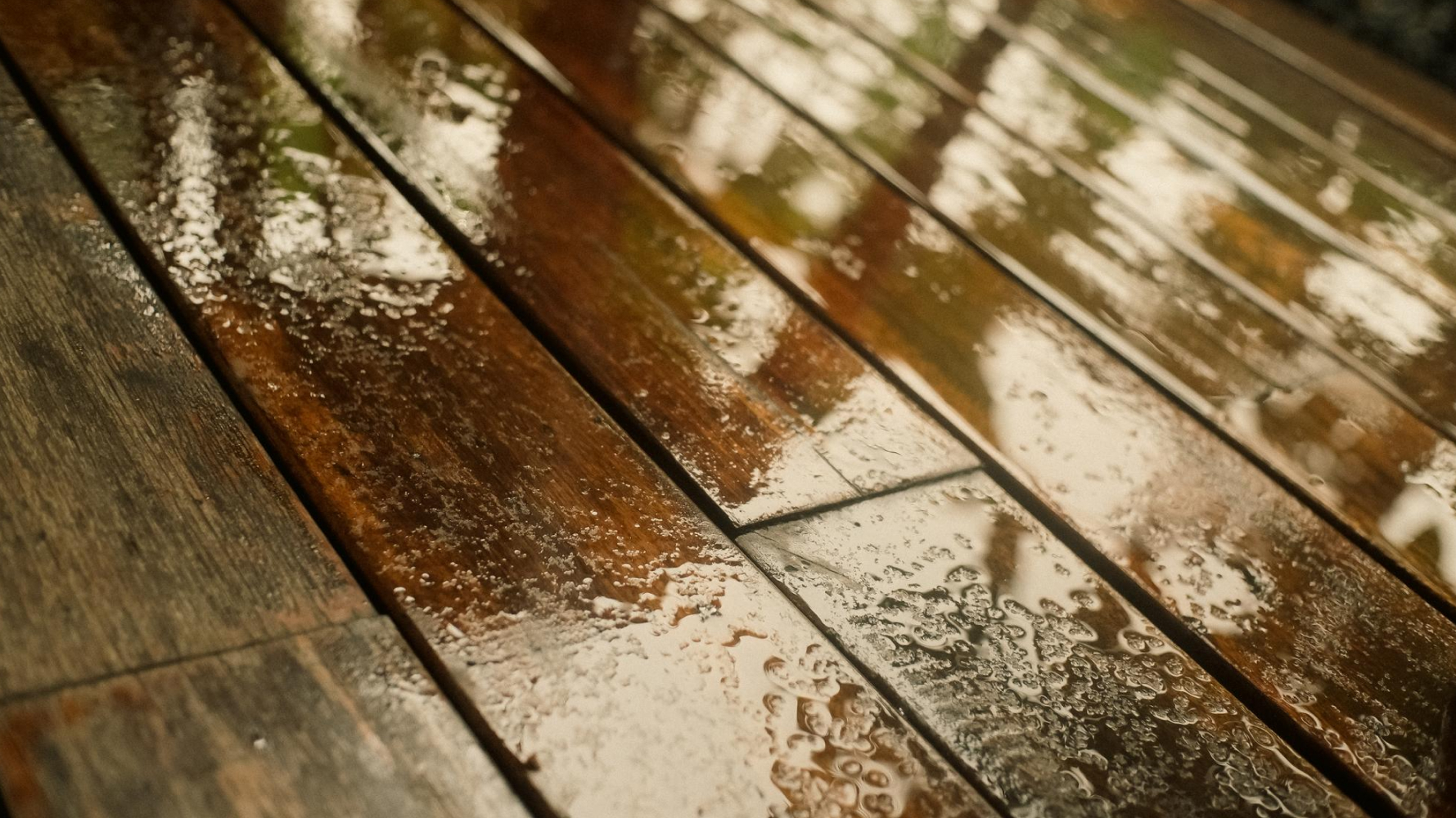
True hardwood isn’t waterproof. Some engineered options offer water resistance, but for fully wet spaces, waterproof wood-look vinyl or laminate performs better. These products have evolved dramatically, offering realistic aesthetics with practical performance.
Waterproof vinyl plank and luxury vinyl tile mimic wood grain convincingly through advanced printing and texturing. These work beautifully in bathrooms, laundry rooms, and basements where real wood would fail. They’re also DIY-friendly for homeowners tackling projects themselves.
Quick Choice Guide
- Solid hardwood: Maximum authenticity, extensive refinishing, requires controlled environments
- Engineered hardwood: Versatile installation, stable, mid-range refinishing
- Wood-look vinyl: Waterproof, affordable, no refinishing option
-
Choose Your Wood Species
Wood species determine hardness, color range, and grain patterns.
Understand Durability Levels
The Janka hardness scale rates wood by denting resistance. Higher numbers mean harder floors.
Common ratings:
- Brazilian Walnut: 3,680 (extremely hard)
- Hickory: 1,820 (very hard)
- White Oak: 1,360 (hard)
- Red Oak: 1,290 (moderate)
- American Cherry: 950 (softer)
For high-traffic homes, choose species rated 1,200 or higher.
Popular Species Options
- Oak leads the market with classic grain and excellent durability. It accepts stains beautifully.
- Hickory provides dramatic variation and superior hardness. It hides scratches effectively.
- Maple features subtle, consistent grain for a modern look. It’s very hard, but it doesn’t take dark stains evenly.
- Walnut delivers rich chocolate-brown tones naturally. It’s softer but stunning in low-traffic spaces.
Style And Budget Fit
Exotic species command premium pricing due to sourcing complexity and limited availability. Domestic species like oak, maple, and hickory remain more accessible while delivering excellent performance and beauty.
Budget-friendly options include red oak and ash. Mid-range choices include white oak and hickory. Premium selections include walnut and exotic imports. When covering large spaces, wholesale hardwood flooring suppliers reduce per-square-foot expenses significantly without compromising quality.
-
Find Your Favorite Look
Hardwood aesthetics involve three decisions: color, grain style, and character level.
Choose Floor Color
Lighter floors make spaces feel larger and show less dust. Darker floors add warmth but reveal scratches.
Popular categories:
- Light (natural, blonde): Modern, airy vibes
- Medium (honey, amber): Traditional, timeless
- Dark (espresso, ebony): Dramatic, sophisticated
- Gray-washed: Contemporary, coastal
Consider your furniture and wall colors. Bring samples home before committing.
Select Grain Style
Grain patterns result from how logs are cut at the mill. Each cutting method produces distinct visual effects that influence overall floor appearance.
- Plain-sawn (flat-sawn) cutting creates cathedral-like patterns with curved, flame-shaped grain. This most common and affordable method maximizes lumber yield and adds visual movement.
- Quarter-sawn cutting produces straight, linear grain with ray flecks running across the surface. The perpendicular growth rings create exceptional stability and a refined appearance.
- Rift-sawn cutting creates consistent linear grain with minimal variation. This premium method produces the most uniform appearance, commanding higher pricing due to lower yield.
Decide Character Level
Character refers to natural wood features like knots, mineral streaks, and color variation between boards. Grading systems categorize floors by the amount of natural character present.
- Select grade: Minimal knots, consistent color, formal and refined
- Natural grade: Some knots and variation, balanced aesthetic
- Rustic grade: Prominent knots, dramatic variation, casual charm
Higher character grades actually cost less than select grades while hiding wear better over time. Knots and variation camouflage scratches that would stand out on uniform surfaces.
-
Get The Details Right
Plank dimensions and layout patterns influence both appearance and long-term performance. These details deserve careful consideration during the selection process.
Pick Plank Width
Wider planks create fewer seams and suit larger rooms. Narrow planks fit smaller spaces.
Options:
- Strip (2¼ inches): Traditional look, busier appearance
- Standard plank (3-5 inches): Versatile, most popular choice
- Wide plank (6-8 inches): Modern, spacious feel
- Extra-wide (9+ inches): Dramatic statement piece
Wider planks need stable subfloors and proper acclimation because they react more noticeably to humidity changes. They also show wood character more prominently since each board covers more visual area.
Choose Board Thickness
Thicker floors allow more refinishing and better sound insulation.
- ¾ inch: Traditional solid standard, maximum refinishing potential
- ½ inch: Common engineered thickness, allows 2-3 refinishes
- ⅜ inch: Thinner option, limited refinishing, works for renovations
Consider existing doorways, transitions to other rooms, and appliance clearances when selecting thickness. Renovation projects often benefit from thinner options that minimize height adjustments.
Plan Patterns And Layouts
Beyond standard straight installations, creative patterns add visual interest and architectural character.
- Straight (parallel): Planks run parallel to walls, classic and simple
- Diagonal: Planks at 45-degree angles add movement
- Herringbone: V-shaped zigzag pattern, elegant and intricate
- Chevron: Angled board ends meet at points, sophisticated
- Random width: Mixed plank widths, rustic character
Complex patterns increase installation time, labor requirements, and material waste. The stunning results justify the investment for homeowners seeking distinctive floors.
- Select The Right Finish
Finish affects appearance, durability, and maintenance.
Pick Sheen Level
Sheen level describes how much light the floor surface reflects. Each level creates different visual effects and practical performance characteristics.
- Matte (flat): Minimal reflection, natural appearance, hides scratches, trending
- Satin: Low luster with subtle glow, practical, most popular
- Semi-gloss: Moderate shine, traditional appearance
- High-gloss: Mirror-like reflection, formal, reveals everything
Most flooring professionals recommend satin finishes for residential applications. The subtle sheen enhances the wood’s beauty while forgiving dust and minor imperfections.
Compare Finish Types
- Polyurethane dominates in oil and water-based versions. Excellent durability and easy care.
- Aluminum oxide is factory-applied. Extremely durable on prefinished floors.
- Hard wax oil creates a natural look. Simple repairs, but more maintenance.
Choose Easy Maintenance
Aluminum oxide factory finishes, especially in satin, need very little maintenance. They resist scratches, clean easily with basic sweeping and damp mopping, and maintain appearance for years.
Avoid high-gloss finishes if you dislike frequent cleaning or have a busy household. Skip hardwax oil if you prefer set-it-and-forget-it flooring with minimal commitments.
-
Plan Your Installation
Installation method impacts timeline, performance, and flexibility.
Compare Install Methods
- Nail-down installation is the traditional method for solid hardwood over wood subfloors. Installers drive nails through plank tongues, securing the flooring permanently. This creates the most secure, solid-feeling floor but requires professional tools.
- Glue-down installation uses construction adhesive to bond planks directly to subfloors. This method works well on concrete and reduces sound transmission between levels.
- Floating installation connects planks using click-lock mechanisms without attachment to the subfloor. This fastest, most DIY-friendly method works over various subfloor types and allows natural expansion.
Check Subfloor And Moisture
Subfloor condition determines success. Problems cause squeaking, gaps, and failure.
Before installing:
- Test moisture levels
- Level high spots
- Fill low areas
- Remove old flooring
- Repair structural issues
Never rush preparation.
Decide DIY Or Pro
Floating floors suit confident DIYers with basic tools and patience. The click-lock mechanisms make installation straightforward, and mistakes can be corrected by disassembling sections.
Consider pros for:
- Complex layouts
- Subfloor prep needs
- Nail-down methods
- Warranty protection
- Herringbone patterns
- Stairs
Professional installers bring experience and efficiency that often justify labor costs. They also identify potential problems before they become expensive repairs.
-
Understand Total Costs
Hardwood flooring represents a significant investment that varies based on several factors. Understanding cost components helps you budget realistically and identify savings opportunities.
Identify Cost Drivers
Material expenses depend on species, grade, thickness, finish type, and brand reputation. Installation complexity affects labor rates based on subfloor condition, room layout, and pattern selection.
Geographic location impacts both material availability and labor rates significantly. Seasonality affects pricing, too, with spring and fall often offering promotional opportunities from suppliers and installers.
Watch Extra Costs
Several expenses surprise first-time hardwood flooring buyers:
- Subfloor repair
- Old flooring removal
- Transitions and moldings
- Underlayment
- Moisture barriers
- Stair installations
- Furniture moving
Get itemized quotes that include all components rather than just the flooring material. Complete quotes prevent surprise invoices during project completion.
Apply Smart Savings
Strategic purchasing reduces costs without sacrificing quality:
- Purchase during seasonal sales in spring and fall
- Consider wholesale hardwood flooring suppliers for larger projects
- Choose domestic species rather than exotic imports
- Select natural or rustic character grades
- Compare multiple suppliers and installers
- Ask about discontinued styles or overstock inventory
Rustic Wood Floor Supply offers competitive pricing on premium hardwoods. Our wholesale engineered hardwood helps maximize budgets. Explore our selection for quality at smart prices!
Room-By-Room Picks
Different rooms can benefit from unique picks for hardwood flooring. Understanding room-specific considerations helps you select appropriate products for each space.
Main Living Areas
Living rooms and family rooms handle moderate traffic in climate-controlled conditions. Almost any hardwood type works well here, giving you maximum selection freedom.
Prioritize appearance and aesthetic preferences since these spaces receive the most visual attention. Consider wider planks for spacious rooms with ample square footage. Choose species and finishes that complement your furniture, artwork, and overall design style.
Kitchens And Entrances
Kitchens and entryways present challenges from water exposure, heavy traffic, and abrasive debris. Proper product selection and maintenance make hardwood successful in these demanding spaces.
For kitchens:
- Use engineered hardwood for moisture stability
- Choose harder species rated above 1,200 Janka
- Wipe spills immediately before water penetrates
- Place mats at the sink and stove work areas
For entryways:
- Select scratch-resistant species like hickory or oak
- Use high-quality entry mats to trap grit
- Choose satin or matte finishes that hide wear
- Clean frequently to remove abrasive debris
Bedrooms And Offices
Bedrooms receive lighter traffic than common areas, allowing softer species like cherry or walnut. Comfort underfoot and visual warmth matter more than extreme durability in these private spaces.
Home offices benefit from thoughtful flooring choices, including chair mats under rolling desk chairs, quieter underlayment for floating installations, and refined aesthetics appropriate for video conferences.
Basements And Concrete Slabs
Below-grade installations and concrete substrates require specialized approaches. Solid hardwood isn’t recommended for basements or directly over concrete due to moisture concerns.
Engineered hardwood with proper moisture management works well:
- Always test concrete moisture levels before installation
- Apply appropriate vapor barriers per manufacturer specs
- Choose floating or glue-down installation methods
- Select thicker engineered planks for durability
- Ensure adequate drainage and humidity control
Your Decision Checklist
Verify everything before purchasing.
Key Buying Questions
- What’s the Janka rating?
- How thick is the wear layer?
- What warranty is included?
- Where was it made?
- What maintenance is needed?
- Which installation method?
Document answers for each product you’re considering. Side-by-side comparisons reveal value differences that aren’t obvious otherwise.
Compare Final Choices
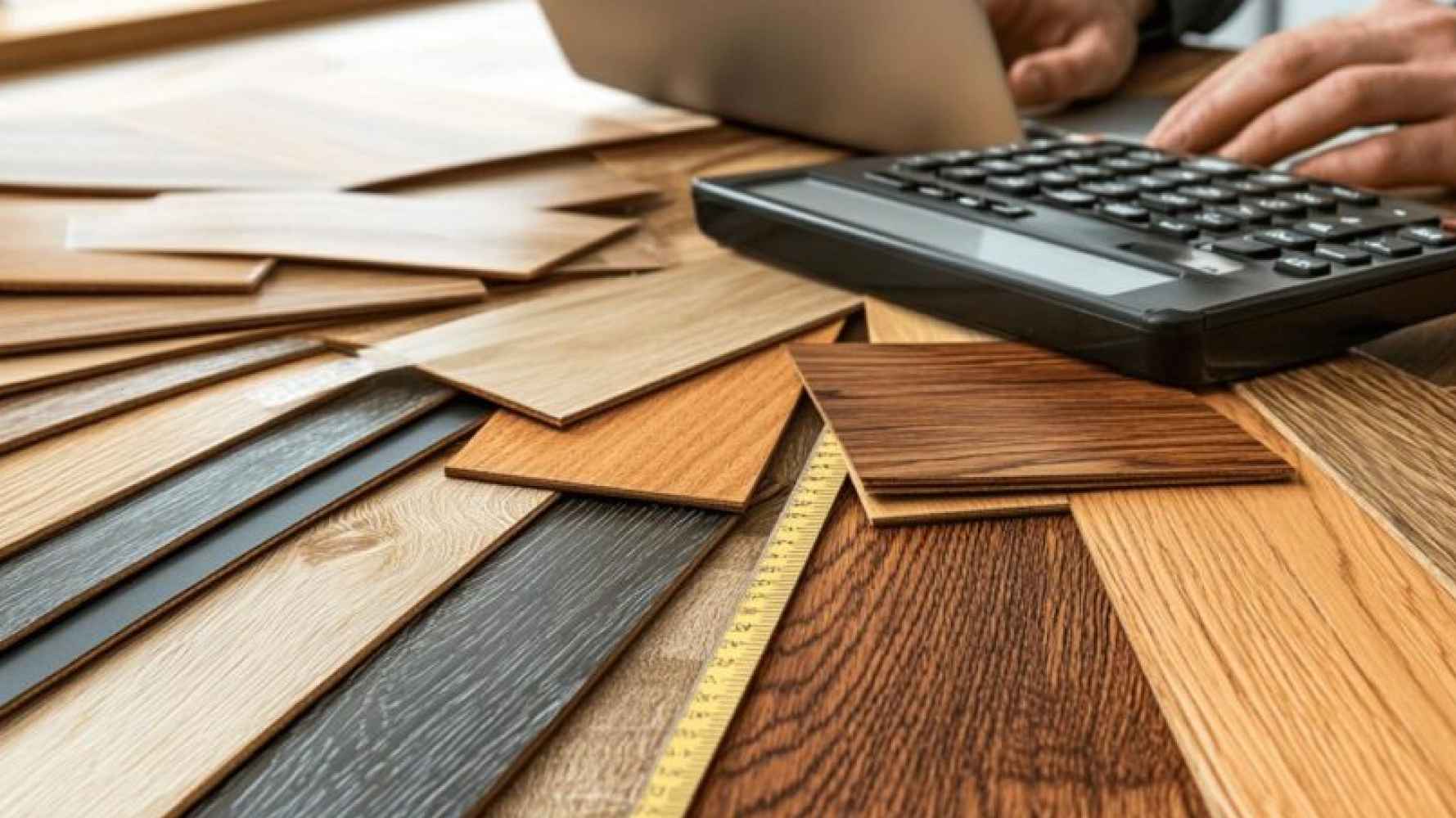
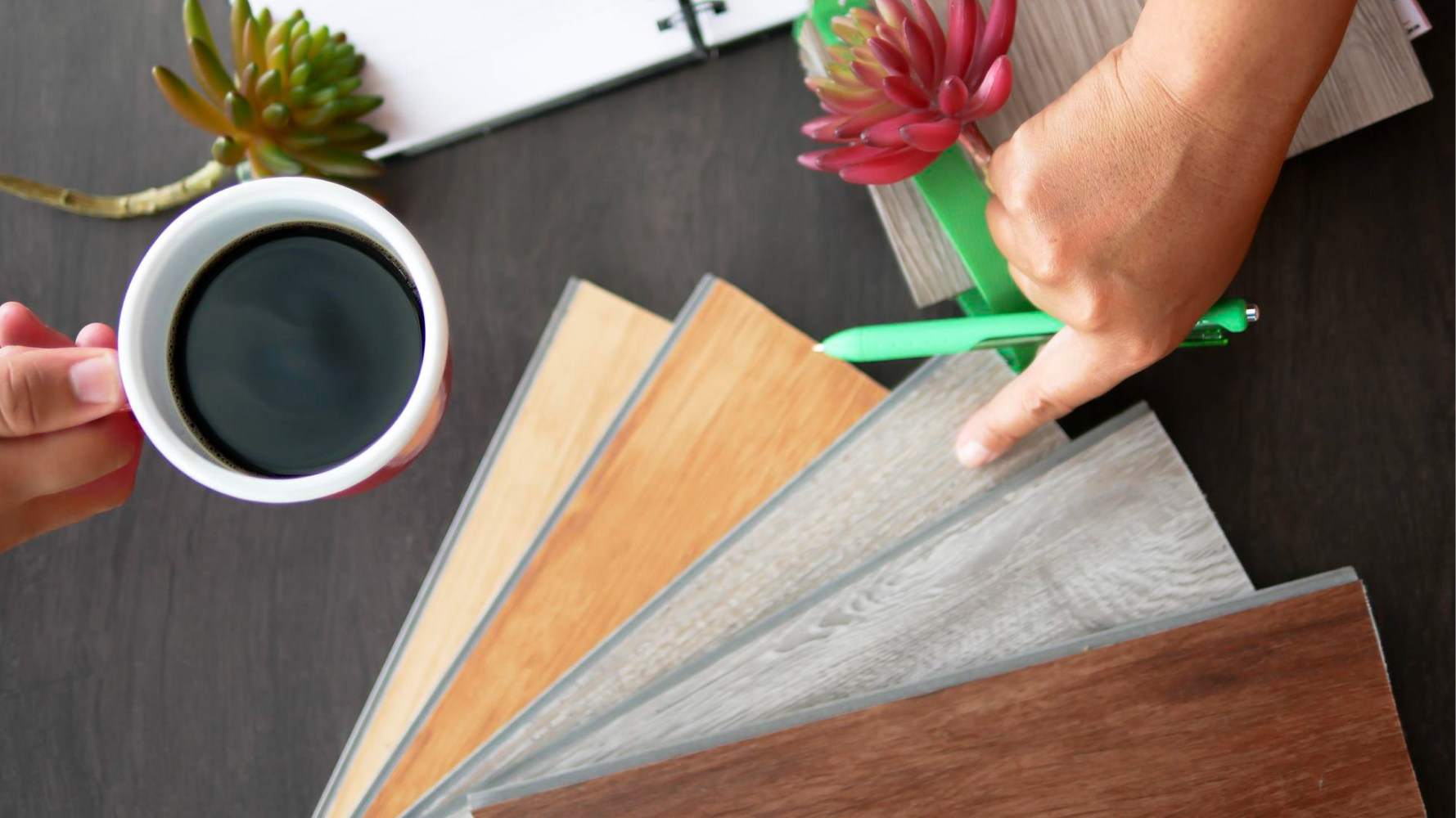
Order samples and live with them for a week. View under different lighting.
Place samples:
- Against furniture
- Near cabinets
- Under natural and artificial light
- On your actual subfloor
Notice how colors shift throughout the day. Evaluate how samples look from standing height since you’ll view floors this way most often.
Spot Risky Deals
Extremely cheap pricing often signals quality problems or hidden defects. Legitimate bargains exist, but suspiciously low prices warrant investigation.
Warning signs:
- Vague origin info
- Missing certifications
- Thin wear layers
- Limited warranties
- Pressure tactics
- No samples available
Quality flooring is a long-term investment. Saving money up front by purchasing questionable products leads to expensive replacements sooner.
Takeaway
Choosing hardwood involves balancing aesthetics, durability, and budget. Start by understanding your space and lifestyle. Select wood types and species matching your conditions. Take time with samples before committing. Quality hardwood lasts decades when chosen thoughtfully.
Your dream floors shouldn’t drain your wallet. Rustic Wood Floor Supply brings contractor-grade hardwood directly to homeowners at wholesale prices. Our flooring specialists answer real questions, help you calculate accurate square footage, and match you with products that fit your space and lifestyle.
Want to see the difference quality hardwood makes?
Visit our website now and let us show you what wholesale pricing really looks like!
Frequently Asked Questions
What is the difference between solid and engineered hardwood flooring?
Solid hardwood is milled from single wood pieces, typically ¾-inch thick. Engineered hardwood features real wood veneer over layered plywood. Solid offers extensive refinishing, while engineered provides superior moisture resistance and installation versatility.
Which type of hardwood flooring is best for homes with kids and pets?
Engineered hardwood with harder species like hickory or white oak performs best. Look for aluminum oxide finishes and satin sheen that resist scratches. Avoid softer species like cherry and high-gloss finishes, which show damage quickly.
Can I install hardwood flooring in kitchens, basements, or over concrete?
Engineered hardwood works well in these areas with proper moisture barriers. Solid hardwood isn't recommended below grade or over concrete. Always test moisture levels and use floating or glue-down methods.
How do I choose the right color, plank width, and style for my room?
Consider room size, lighting, and existing furniture colors. Wider planks suit larger spaces while lighter colors open smaller rooms. Order samples and view them under different lighting before deciding.
How long does hardwood flooring last, and how often can it be refinished?
Quality hardwood lasts 50-100 years with proper care. Solid hardwood can be refinished 6-10 times. Most engineered floors allow 1–3 refinishes, depending on veneer thickness. Most homes refinish every 10–20 years, depending on traffic and finish type.
Author Profile
- I have worked in hardwood flooring for the last 8 years. Use to run a company of residential crews as well as a company with gym flooring. If you need floor installation or refinishing help, I should have an answer or at least get you in the right direction.
Latest entries
 FlooringJanuary 15, 2026Does New Hardwood Flooring Increase Your Home Value?
 FlooringJanuary 14, 2026Can You Refinish Engineered Hardwood?
 FlooringJanuary 10, 2026What Wood Floor Color Do I Choose?
 FlooringJanuary 9, 2026How To Prevent Hardwood Floor Moisture Problems?