The most durable engineered hardwood flooring combines a hardwood species (Janka rating 1,800+), a thick wear layer (3–4mm minimum), a stable plywood or HDF core, and a protective aluminum oxide or UV-cured urethane finish. Hickory and Brazilian Cherry engineered hardwood with thick wear layers and aluminum oxide finishes are the most durable options you can buy.
Engineered hardwood consists of a real wood veneer bonded to multiple layers of plywood or high-density fiberboard. This construction delivers the beauty of natural wood with enhanced dimensional stability. For families with pets, children, or heavy foot traffic, durability determines whether your floors will look great for five years or fifty.
What Makes Engineered Hardwood “Durable”?
Durability in engineered hardwood comes from four key factors. Understanding each element helps you make smarter buying decisions.
Key Durability Factors
- Species Hardness: Harder wood resists dents and scratches better. The Janka hardness scale measures this resistance, with higher numbers indicating tougher wood.
- Wear Layer Thickness: This is the actual hardwood on top. Thicker wear layers allow refinishing and extend floor life significantly.
- Core Construction: The layers beneath the wear layer provide stability. Quality cores prevent warping, cupping, and gapping over time.
- Finish Type: The topcoat protects against scratches, UV damage, and everyday wear. Advanced finishes like aluminum oxide offer decades of protection.
How Does Engineered Differ From Solid?
Engineered hardwood outperforms solid wood in dimensional stability. The cross-grain construction minimizes expansion and contraction with humidity changes.
Solid hardwood can be refinished five or more times over its lifespan. Engineered hardwood typically allows two to four refinishes, depending on wear layer thickness. However, engineered floors perform better over concrete, in basements, and with radiant heat systems.
Pro-Tip:
Choose engineered for moisture-prone areas, below-grade installations, and wide-plank designs. Opt for solid in formal living spaces where refinishing potential matters most.
Choose A Hard, Resilient Wood Species
The wood species on your floor’s surface determines its resistance to everyday damage. Harder species handle dropped objects, pet claws, and heavy furniture without showing marks.
Understanding Janka Hardness
The Janka hardness test measures how much force is needed to push a steel ball halfway into a wood sample. Results are measured in pounds-force (lbf). Higher ratings mean harder, more dent-resistant wood.
For flooring, aim for a Janka rating of 1,000 lbf or higher. Ratings above 1,500 lbf offer excellent durability for high-traffic homes. Species above 2,000 lbf provide maximum dent resistance but may cost more.
Top Durable Species
Here are the most durable wood species for engineered hardwood flooring:
- Brazilian Cherry (Jatoba): 2,350 lbf. Rich reddish-brown tones with exceptional hardness. Ideal for busy households wanting exotic beauty and maximum protection.
- Hickory: 1,820 lbf. The hardest North American domestic species. Bold grain patterns and excellent impact resistance make it perfect for families with pets.
- White Oak: 1,360 lbf. Outstanding balance of hardness, moisture resistance, and visual appeal. Works in both traditional and modern designs.
- Hard Maple: 1,450 lbf. Clean, uniform grain with excellent scratch resistance. Popular in sports courts and contemporary homes.
Brazilian walnut (Ipe) rates even higher at 3,680 lbf and provides maximum hardness, though it is expensive and can be harder to source due to limited availability.
Balancing Durability and Design
Ultra-hard exotic species deliver maximum protection but come with trade-offs. They cost more, may be harder to source, and offer limited color options. Domestic species like white oak and hickory provide excellent durability with broader style choices. They’re easier to match with existing decor and more affordable.
Consider your design preferences alongside performance needs. A well-finished white oak floor with a quality wear layer often outperforms a poorly finished exotic species.
Get The Right Wear Layer Thickness
The wear layer is the actual hardwood veneer on top of your engineered flooring. Its thickness directly affects how long your floors last and whether they can be refinished.
Why Thickness Matters?
Thicker wear layers allow multiple sandings over the floor’s lifetime. Each refinishing removes approximately 0.5–1mm of wood. Floors with very thin wear layers cannot be sanded at all.
A 3mm+ wear layer gives you the option to refresh your floors when scratches accumulate. This extends lifespan dramatically and protects your investment over decades.
Recommended Thickness Ranges
Match wear layer thickness to your traffic level:
- Light Traffic (2–3mm): Suitable for guest rooms, formal dining rooms, and spaces with minimal daily use. Can be refinished once.
- Typical Family Homes (3–4mm): The sweet spot for most residential applications. Handles kids, pets, and regular foot traffic. Allows two to three refinishes.
- Heavy Use (4–6mm): Ideal for busy households, rental properties, and light commercial spaces. Supports three to five refinishes over 50+ years.
For maximum longevity, products with 4mm wear layers offer the best balance of durability and cost.
How To Read Specs?
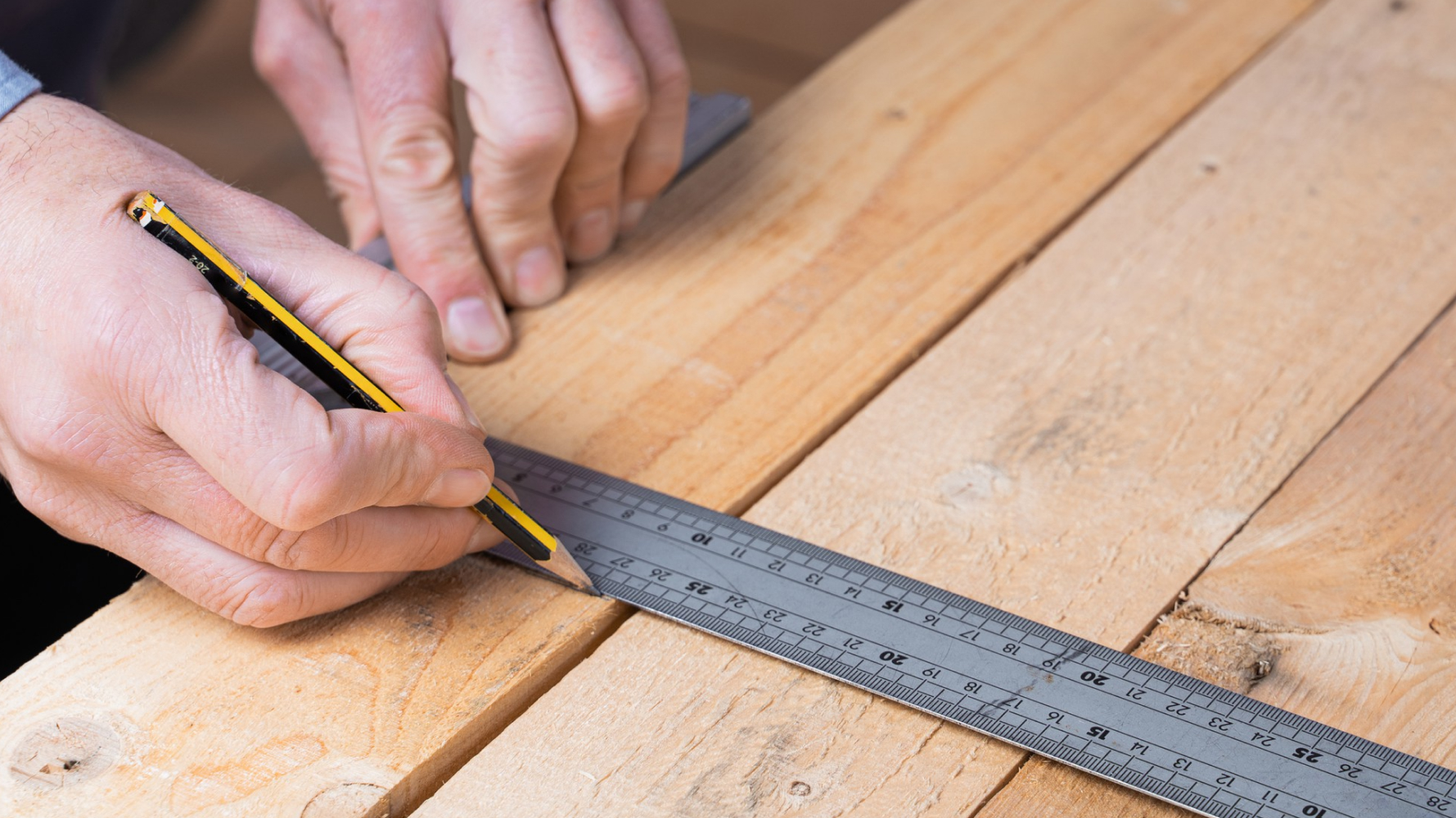
Engineered flooring specs typically list two numbers separated by a slash. For example, “15/4mm” means 15mm total thickness with a 4mm wear layer.
Look for these details on product labels:
- Total Thickness: The overall plank height, usually 10–20mm
- Wear Layer: The actual hardwood thickness on top
- Species: The wood used for the wear layer
Avoid products with vague “thick veneer” claims. Reputable brands clearly state exact measurements. When shopping at a hardwood flooring store, always ask for specific wear layer numbers.
Pick a Strong, Stable Core
The core beneath your wear layer provides structural support and stability. Core quality affects how your floors handle moisture, temperature changes, and heavy loads.
Plywood vs HDF Cores
Plywood Cores:
Made from multiple wood veneers layered in alternating grain directions. This construction provides excellent dimensional stability and natural moisture tolerance. Plywood cores work well in most residential applications.
HDF Cores:
High-density fiberboard is created from compressed wood fibers and resin. HDF is denser and harder than plywood, and some products achieve dent resistance comparable to woods rated around 1,700 lbf. It offers superior dent resistance and a smoother surface for click-lock installations.
Both options deliver quality results. Plywood excels in variable humidity environments, while HDF provides added hardness and manufacturing precision.
Why Core Quality Is Important?
Poor-quality cores cause problems over time:
- Warping: Cheap cores bow or twist with humidity changes
- Gapping: Low-quality materials shrink, creating visible gaps between planks
- Cupping: Moisture absorption causes edges to rise higher than the centers
Quality cores resist these issues for decades. They maintain flat, tight-fitting planks regardless of seasonal changes.
Best Core for Your Space
Match core type to installation conditions:
- Basements: HDF with moisture-resistant additives or Baltic birch plywood. Both handle below-grade humidity better than standard cores.
- Over Concrete: Plywood or moisture-resistant HDF. Ensure proper moisture testing before installation.
- Wide-Plank Installations: Plywood cores are typically more stable for planks over 7 inches wide, though some premium HDF cores can perform well. The cross-grain construction helps prevent excessive movement.
For standard above-grade installations, either core type works well. Focus on manufacturer quality rather than core type alone.
Choose A High-Performance Finish
The finish is your floor’s first line of defense against scratches, stains, and UV damage. High-quality finishes can double or triple your floor’s appearance lifespan.
Toughest Finish Types
- Aluminum Oxide: The industry standard for maximum durability. Aluminum oxide particles embedded in UV-cured urethane create an extremely hard, scratch-resistant surface. Most prefinished engineered hardwood uses seven-layer aluminum oxide systems. These finishes can last 25+ years before needing attention.
- UV-Cured Urethane: Hardened instantly using ultraviolet light. Creates a consistent, durable protective layer. UV-cured finishes offer strong resistance against scratches, scuffs, and everyday wear.
- Ceramic/Titanium Oxide: Similar to aluminum oxide with slight variations in hardness and clarity. Some manufacturers prefer these additives for improved appearance.
Gloss Level and Scratches
Finish sheen affects how visible scratches appear:
- Matte/Low Sheen: Hides scratches, dust, and imperfections best. Ideal for high-traffic areas and homes with pets.
- Satin: Moderate sheen with balanced scratch visibility. Works well in most settings.
- Semi-Gloss/Gloss: Shows scratches, footprints, and dust more readily. Best for formal spaces with light traffic.
For maximum practicality, choose matte or satin finish. They require less frequent cleaning and maintain their appearance longer between maintenance.
Pets, Kids, and Heavy Traffic
The best finish-species combinations for demanding households include:
- Hickory with aluminum oxide finish: Maximum scratch resistance with bold character
- White oak with UV-cured matte finish: Excellent durability with timeless appeal
- Brazilian cherry with seven-layer aluminum oxide: Premium protection with exotic beauty
These combinations handle pet claws, dropped toys, and constant foot traffic without showing significant wear.
Considering new floors for your busy household?
Rustic Wood Floor Supply offers a wide variety of engineered hardwood flooring designed specifically for active families and pets.
Match Durability To Real-World Use
Different spaces demand different durability specs. Here’s what to prioritize based on your specific situation.
Busy Family and Pets
Active households need maximum protection. Recommended specs:
- Species: Hickory (1,820 lbf) or white oak (1,360 lbf) minimum
- Wear Layer: 3mm or thicker for refinishing potential
- Finish: Aluminum oxide with matte or satin sheen
- Core: Plywood or moisture-resistant HDF
Wire-brushed or hand-scraped textures help hide scratches between cleanings. Darker colors show pet hair; medium tones offer the best balance.
Kitchens, Entries, and Basements
Moisture-prone areas require special consideration:
- Kitchens: Choose moisture-resistant HDF cores or rigid-core hybrids. Ensure the finish provides adequate spill protection. Wipe up water promptly because no engineered floor is fully waterproof.
- Entries: High-traffic tolerance is essential. Opt for 4mm+ wear layers with commercial-grade finishes. Add entry mats to catch grit and moisture.
- Basements: Below-grade installations need moisture-resistant cores specifically designed for concrete installations. Test concrete moisture levels before installing. Consider rigid-core hybrids for maximum peace of mind.
Rental and Light Commercial Spaces
Investment properties and commercial applications demand extra durability:
- Wear Layer: 4–6mm works best for maximum refinishing potential
- Finish: Commercial-grade aluminum oxide or UV-cured systems
- Species: Hickory, white oak, or harder domestics
- Warranty: Look for 25+ year residential or 5+ year commercial coverage
Thicker wear layers allow more refinishes between tenants. Quality finishes reduce maintenance costs over the property’s life.
How To Compare Brands and Products?
Shopping for engineered hardwood can feel overwhelming. Here’s how to evaluate options side by side.
Reading Product Specs
Compare these five specifications across all products you consider:
- Janka Rating: Higher numbers mean harder wood. Aim for 1,300+ for most homes.
- Wear Layer: Measured in millimeters. 3mm is good; 4mm+ is better.
- Core Type: Plywood or HDF. Both work well from quality manufacturers.
- Finish: Look for aluminum oxide, UV-cured urethane, or ceramic additives.
- Warranty: Longer warranties (25+ years) indicate manufacturer confidence.
Create a simple comparison chart when evaluating three or more products.
Questions to Ask in the Showroom
When visiting a hardwood flooring store, ask these questions:
- “What is the exact wear layer thickness?”
- “Can this floor be refinished, and how many times?”
- “What finish system does this product use?”
- “Is this product certified low-VOC or CARB compliant?”
- “What installation methods are recommended?”
- “Does the warranty cover refinishing?”
- “What’s included in the structural warranty?”
Knowledgeable sales staff should answer these questions confidently with specific details.
Red Flags to Avoid
Watch for these warning signs when shopping:
- Vague Specifications: “Thick veneer” without exact measurements suggests low quality
- Very Thin Wear Layers: Under 2mm limits refinishing options severely
- Missing Finish Details: No information about finish type or coating layers
- No Core Information: Quality products specify core construction
- Extremely Low Prices: Budget products often cut corners on all durability factors
- Short Warranties: Less than 15 years of residential coverage raises concerns
Trust manufacturers who provide complete, transparent specifications.
Care, Maintenance, and Lifespan
Even the most durable floors need proper care. Good habits extend appearance and lifespan significantly.
Daily and Weekly Care
Simple routines protect your investment:
- Entry Mats: Place at all exterior doors to catch grit and moisture. Most scratches come from tracked-in debris.
- Felt Pads: Apply to all furniture legs. Replace pads annually or when they wear.
- Proper Cleaners: Use pH-neutral hardwood floor cleaners only. Avoid vinegar, ammonia, and harsh chemicals.
- Dry Mopping: Sweep or vacuum with soft attachments regularly. Dust and grit act like sandpaper under foot traffic.
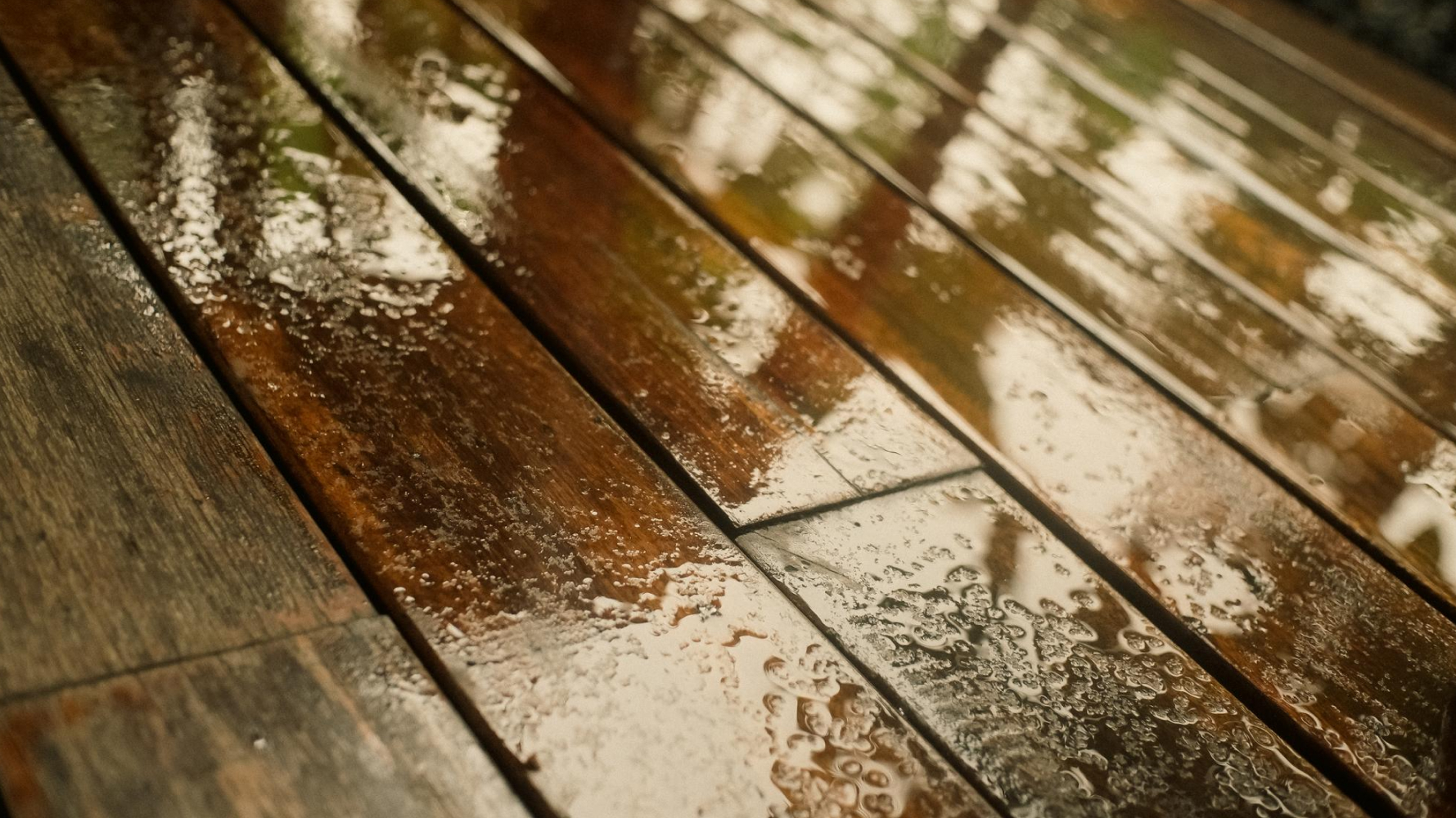
- Prompt Spill Cleanup: Wipe water and spills immediately. Standing moisture damages even quality finishes.
These habits prevent 90% of premature wear issues.
When Refinishing Is Possible?
Wear layer thickness determines refinishing potential:
- 1mm or less: Cannot be sanded. Recoating only.
- 2mm: Light sanding, one refinish maximum
- 3mm: Two to three refinishes over the floor’s life
- 4mm+: Three to five refinishes possible
Refinishing typically removes 0.5–1mm of wood per session. Schedule refinishing when scratches become noticeable but before wear reaches the core.
Note:
Aluminum oxide finishes are harder to refinish than standard polyurethane. Professional equipment and expertise are usually required.
Realistic Lifespan Expectations
Quality engineered hardwood delivers impressive longevity:
- Budget Products (thin wear layer, basic finish): 15–25 years
- Mid-Range Products (3mm wear layer, quality finish): 30–40 years
- Premium Products (4mm+ wear layer, aluminum oxide): 50–100 years
Proper care extends all these ranges. Neglect shortens them significantly.
Quick Buying Checklist
Use this checklist to evaluate any engineered hardwood product.
Minimum Durability Specs
Good (Entry Level):
- Janka rating: 1,200+
- Wear layer: 2mm
- Core: Standard plywood or HDF
- Finish: UV-cured polyurethane
Better (Most Homes):
- Janka rating: 1,400+
- Wear layer: 3mm
- Core: Quality plywood or moisture-resistant HDF
- Finish: Aluminum oxide or enhanced UV-cured
Best (Heavy Use):
- Janka rating: 1,800+
- Wear layer: 4mm+
- Core: Baltic birch or premium HDF
Final Comparison Steps
Ready to decide? Follow these steps:
- Narrow to 2–3 options that meet your durability requirements
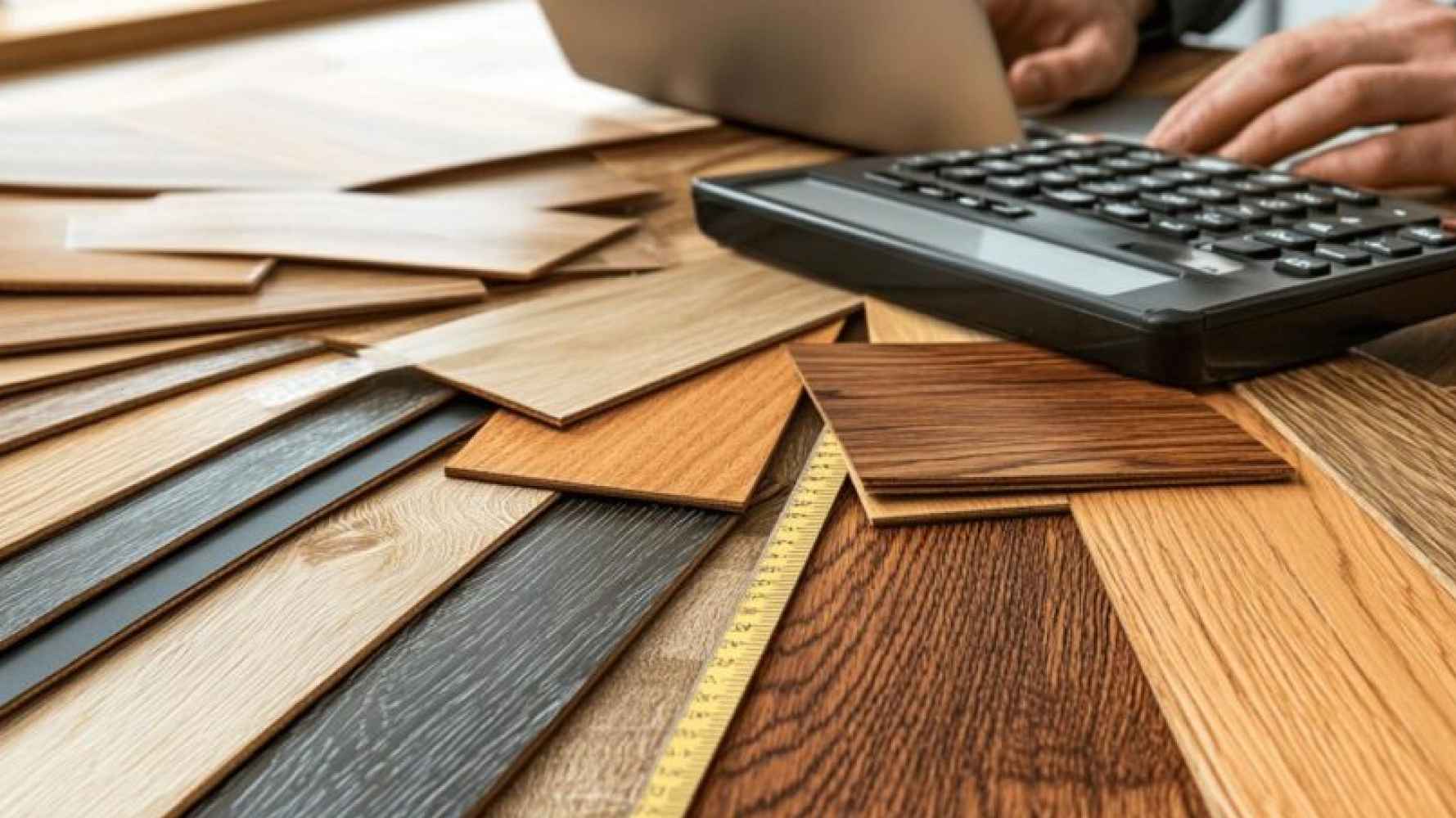
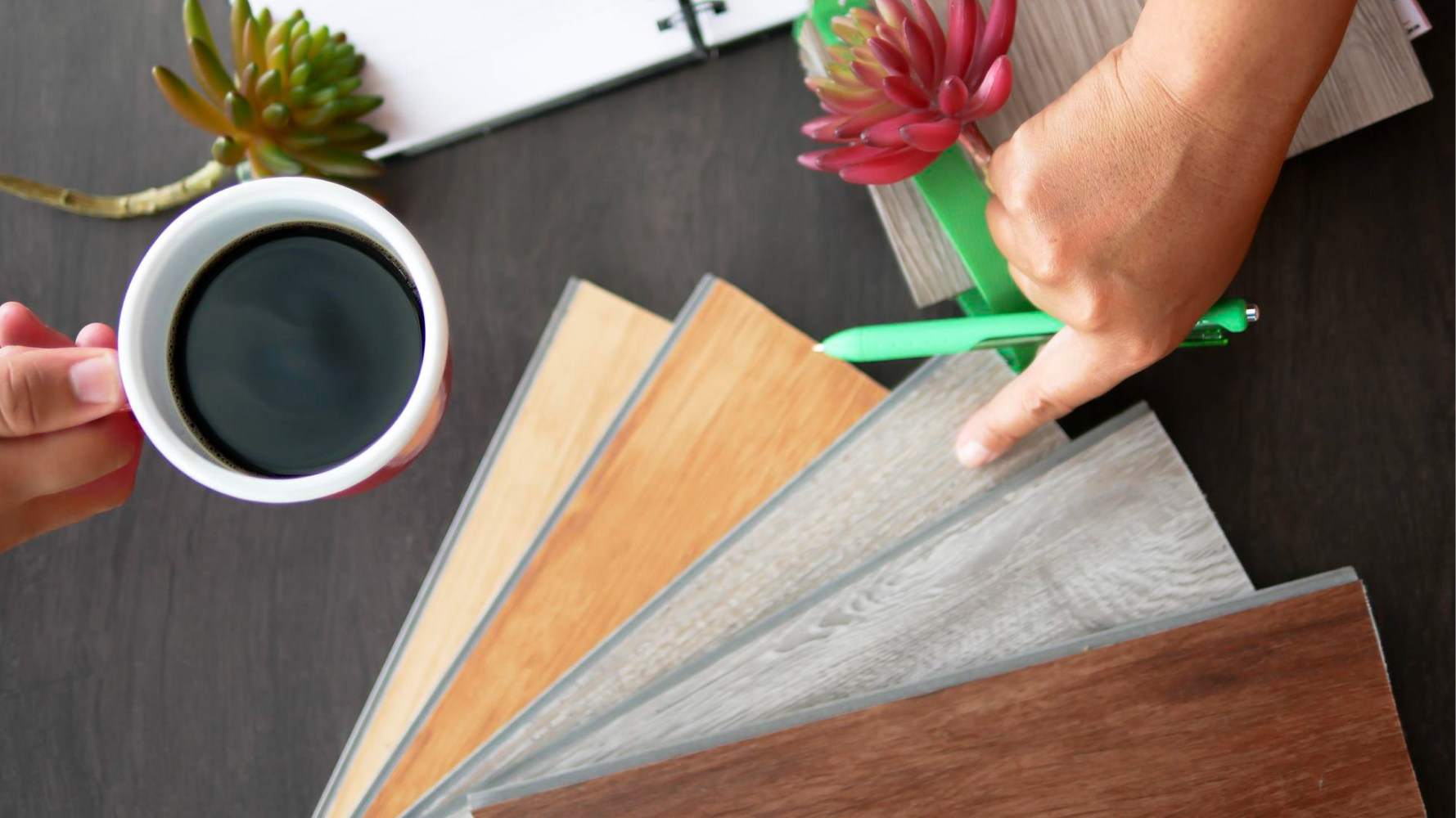
- Request samples to see colors and textures in your lighting
- Compare total costs including installation, underlayment, and transitions
- Verify warranties cover your intended use (residential vs. commercial)
- Choose confidently knowing you’ve evaluated all key factors
Bottom Line
The most durable engineered hardwood flooring combines four essential elements: a hardwood species, a thick wear layer, quality core construction, and a high-performance finish. Hickory and white oak lead domestic options, while Brazilian cherry and walnut offer maximum hardness for demanding spaces.
At Rustic Wood Floor Supply, we have a selection of high-performance wholesale hardwood flooring from trusted manufacturers. We are a leading flooring store with a team of experts who help you match the right species, wear layer, and finish to your lifestyle.
Visit our website today to explore premium options that deliver lasting beauty and unmatched durability because your floors should work as hard as your family does.
Frequently Asked Questions
What wear layer thickness should I choose for maximum durability?
Choose a 4mm or thicker wear layer for maximum durability. This thickness allows three to five refinishes over the floor's lifetime, extending total lifespan to 50+ years. For typical family homes, 3mm provides excellent performance with two to three refinishing options.
Which wood species holds up best to dents and scratches?
Hickory (1,820 Janka) and Brazilian cherry (2,350 Janka) resist dents and scratches best among popular flooring species. White oak (1,360 Janka) offers excellent durability at a lower price point. For maximum hardness, Brazilian walnut reaches 3,680 Janka.
Does the core type (plywood vs HDF) affect long-term stability?
Yes, core type affects stability significantly. Plywood cores excel in variable humidity environments due to cross-grain construction. HDF cores offer superior hardness and dent resistance. Both perform well when sourced from quality manufacturers. Choose moisture-resistant versions for basements or concrete installations.
Which finishes last longest for pets and high-traffic areas?
Aluminum oxide finishes last longest, providing 25+ years of protection against pet claws and heavy traffic. UV-cured urethane with ceramic or titanium additives also performs excellently. Choose matte or satin sheens. They hide scratches better than glossy finishes and require less maintenance.
Author Profile
- I have worked in hardwood flooring for the last 8 years. Use to run a company of residential crews as well as a company with gym flooring. If you need floor installation or refinishing help, I should have an answer or at least get you in the right direction.
Latest entries
 FlooringJanuary 15, 2026Does New Hardwood Flooring Increase Your Home Value?
 FlooringJanuary 14, 2026Can You Refinish Engineered Hardwood?
 FlooringJanuary 10, 2026What Wood Floor Color Do I Choose?
 FlooringJanuary 9, 2026How To Prevent Hardwood Floor Moisture Problems?